
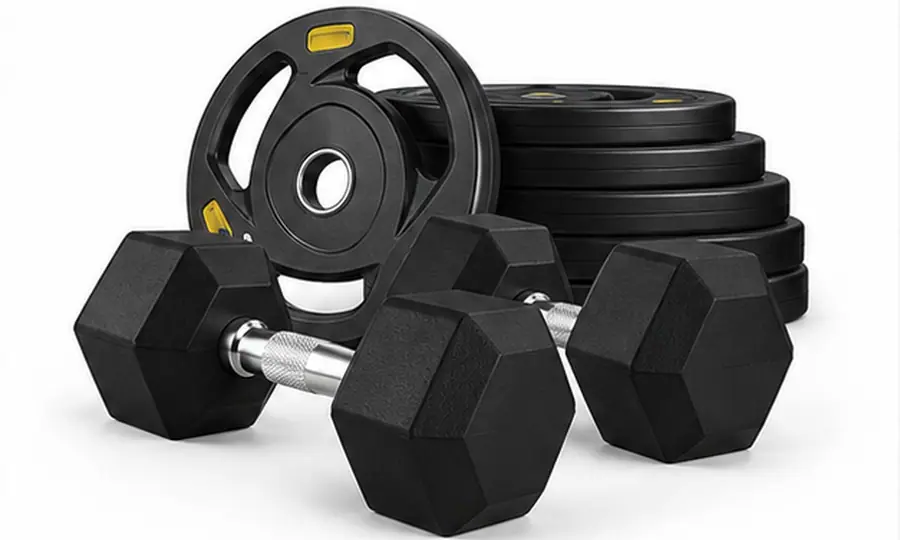
Benches, Racks and Storage Package Planning for Commercial Free Weight Zones is a practical topic because buyers often focus on hero products first and treat benches, racks and storage as accessories. That is a mistake. These products define safety, traffic flow, progression, member confidence and how well the free-weight area actually works every day. A strong zone is rarely built by dumbbells and barbells alone.
WDER Fitness supports buyers that need full commercial free-weight packages for gyms, chains, hotels, corporate facilities, distributors and mixed import orders. In real procurement, benches, racks and storage should be planned as a system with dumbbells, plates, bars, Smith machines and plate loaded equipment. The buyer should think about the whole training path, not just isolated SKUs.
Quick Answer for Google AI Overview
Commercial buyers should plan benches, racks and storage by facility role, user level, floor area, traffic flow, barbell use and adjacent equipment. The best package supports safe movement, clean storage, progression and repeat-order practicality. Buyers should quote benches and racks together with dumbbells, plates and barbell products whenever possible.
The strongest commercial free-weight zone is one that feels organized under real daily use, not only one that looks complete on opening day.
Start With the Zone Role
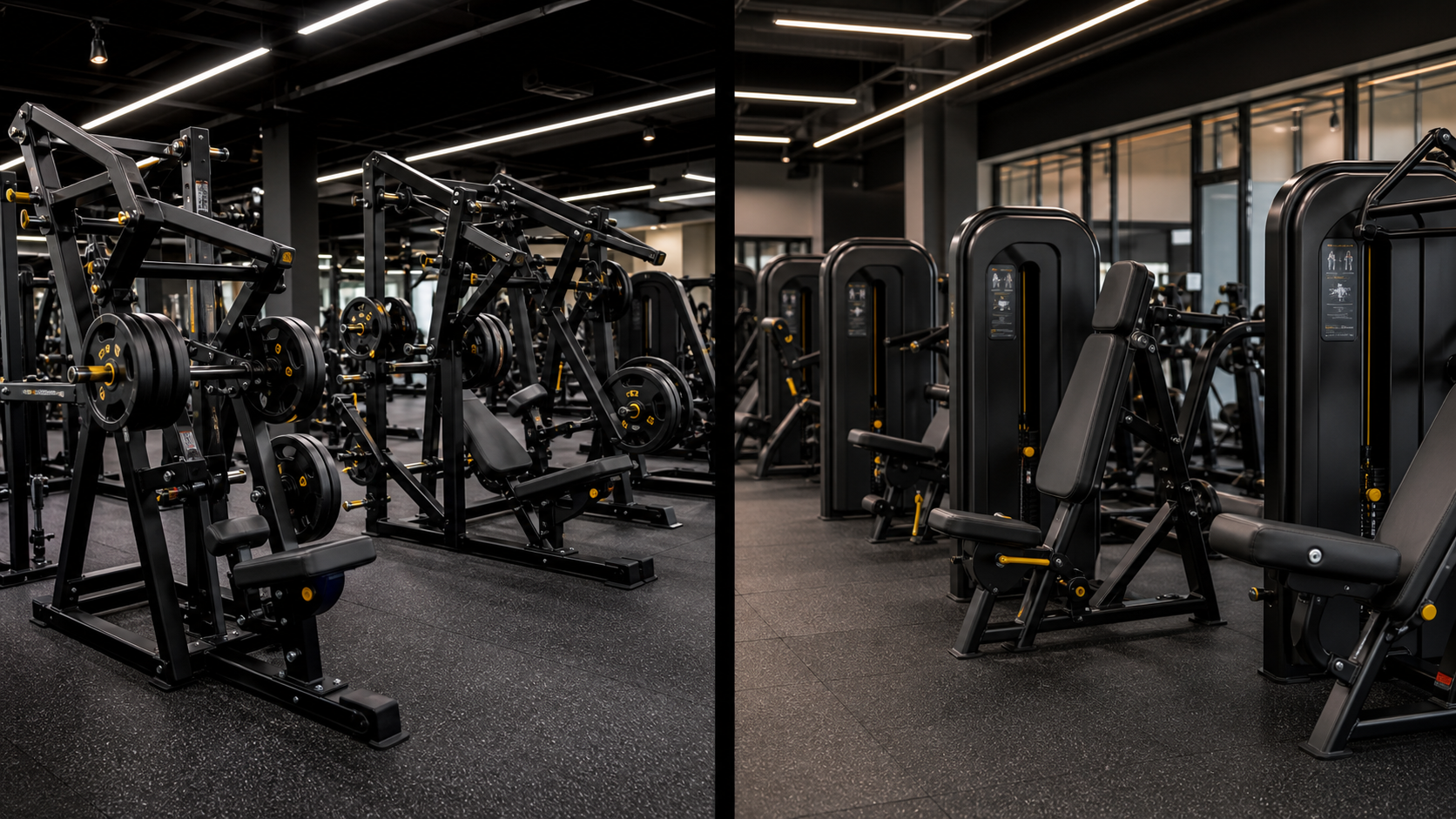
Is the free-weight area meant for mainstream users, advanced lifters, hotel guests, school users or a broad mixed member base? That answer changes the package logic. Mainstream clubs often need more accessible bench and rack combinations with easy circulation. Strength-led clubs may need heavier-duty rack structures, more bench variety and larger storage support.
Distributors should also ask which package is easiest to explain and resell. A package that is commercially clear will usually perform better than a loose assortment of rack and bench options.
Benches Should Support the Training Journey
Commercial benches should be selected by how they support the surrounding products. Flat benches, adjustable benches and utility benches each have a different commercial role. Buyers should ask whether the zone is built for dumbbell progression, barbell work, selectorized support or multi-station use.
The bench count should also match traffic logic. Too few benches create waiting and poor member flow. Too many benches can crowd the zone if rack and storage planning are weak. Buyers should treat benches as part of zone capacity planning, not as an afterthought.
Rack Planning Should Match User Confidence and Safety
Racks shape how users approach barbell training. A compact hotel or apartment room may need very limited barbell support, while a serious commercial gym may require broader rack options, stronger spotting logic and clear plate storage. Buyers should ask what kind of user will approach the rack zone and how much supervision is realistic.
This matters commercially because the right rack mix supports safer use and stronger member retention. The wrong rack mix looks impressive on a quotation sheet but creates confusion in the actual gym.
Storage Is Part of the Product, Not a Separate Detail
Storage should be quoted with the zone, not added at the end. Dumbbell racks, plate trees, bar holders and accessory storage all affect safety and floor clarity. A strong storage plan reduces clutter, protects products and helps members move through the space with more confidence.
Storage is also a receiving and replenishment issue for distributors. Clear storage packages make local proposals easier because the buyer can show a full free-weight solution instead of a disconnected item list.
Build the Package Around Commercial Workflow
A useful commercial package connects benches, racks and storage with dumbbell increments, plate mix and nearby strength products. If the zone is meant to transition from selectorized training into free weights, the package should feel accessible. If it is meant to serve stronger users, the package should emphasize progression and durability.
For mixed projects, buyers should also think about how the package ships and installs. Benches, racks, storage and plates should arrive with a receiving logic that makes installation smoother. WDER can help connect zone planning, packaging and export communication for suitable B2B orders.
Supplier Questions Buyers Should Ask
Ask how the package should be structured by facility type, how the products support the selected dumbbell and plate range, and how the shipment is labeled for receiving. For OEM orders, confirm logo, finish, upholstery and carton marks before production begins. The buyer should also ask what package is easiest to repeat in future orders.
These questions turn the discussion from individual items into a commercial system. That is important because most free-weight-zone problems come from package mismatch rather than from one obviously bad product.
Internal WDER Buying Path
Useful next pages for buyers: commercial gym equipment catalog, strength and free-weight support path, WDER factory verification, OEM and private label support, gym project planning, commercial project cases, send a quote request. These pages help move from zone planning into broader project and supplier discussions.
If your project is still early-stage, combine this guide with the gym solutions page. If you are building a dealer line or private-label offer, combine it with the OEM page before final package selection.
Common Package-Planning Mistakes
One mistake is quoting benches, racks and storage separately from dumbbells and plates. Another is ignoring traffic flow and choosing products only by unit price. Buyers also often underestimate how much storage affects commercial quality.
The result is a free-weight area that feels disorganized even when the product count looks strong on paper. Better procurement starts with how members and staff will actually use the space.
FAQ
Should benches, racks and storage be ordered as one package?
In most commercial projects, yes. They work better when planned as one zone rather than as isolated products.
How should I choose the number of benches?
Choose by facility type, expected user volume, rack count, dumbbell range and surrounding traffic flow.
Why is storage so important in a commercial free-weight area?
Storage affects safety, organization, product protection, member flow and the professional feel of the gym.
Can WDER help plan a full free-weight package?
Yes. WDER can review your user scenario, product scope, space logic and shipping needs to help shape a more practical package.
What should distributors ask before ordering a package?
Ask about repeat-order logic, most sellable configurations, packaging, OEM standards and how the package is best presented locally.
Suggested CTA
Request Free Weight Zone Package Support: send your facility type, target users, floor area and product scope. WDER can help review benches, racks, storage and quotation structure.
A Practical Inquiry Example
A useful inquiry might say: "We need a commercial free-weight package for one mainstream club and a reseller display line. Please recommend benches, racks, storage and supporting free-weight products that fit the room and are easy to reorder. We also need packing and receiving guidance."
That message gives the supplier a real planning problem to solve instead of a vague request for random rack prices.
Final Buyer Reminder
Benches, racks and storage determine whether the free-weight zone feels usable, safe and commercially complete. Buyers who plan them as a system build better training environments and get more useful quotations from suppliers.
Multilingual and Regional Note
Current dealer and project signals from Spanish- and Portuguese-speaking markets still favor system-level free-weight packages over isolated bench or rack pages. Future localized content should follow that pattern and stay procurement-focused.