
Introduction
Commercial Gym Equipment Floor Load and Structural Planning Guide is written for importers, distributors, gym chains, hotel and property procurement teams, installation contractors and OEM/private-label buyers. The search intent is practical: a buyer is comparing products, controlling project risk or preparing an approval before production and shipment. This guide gives a direct answer first, then turns the subject into a usable RFQ, factory-testing and shipment-inspection workflow.
Direct Answer
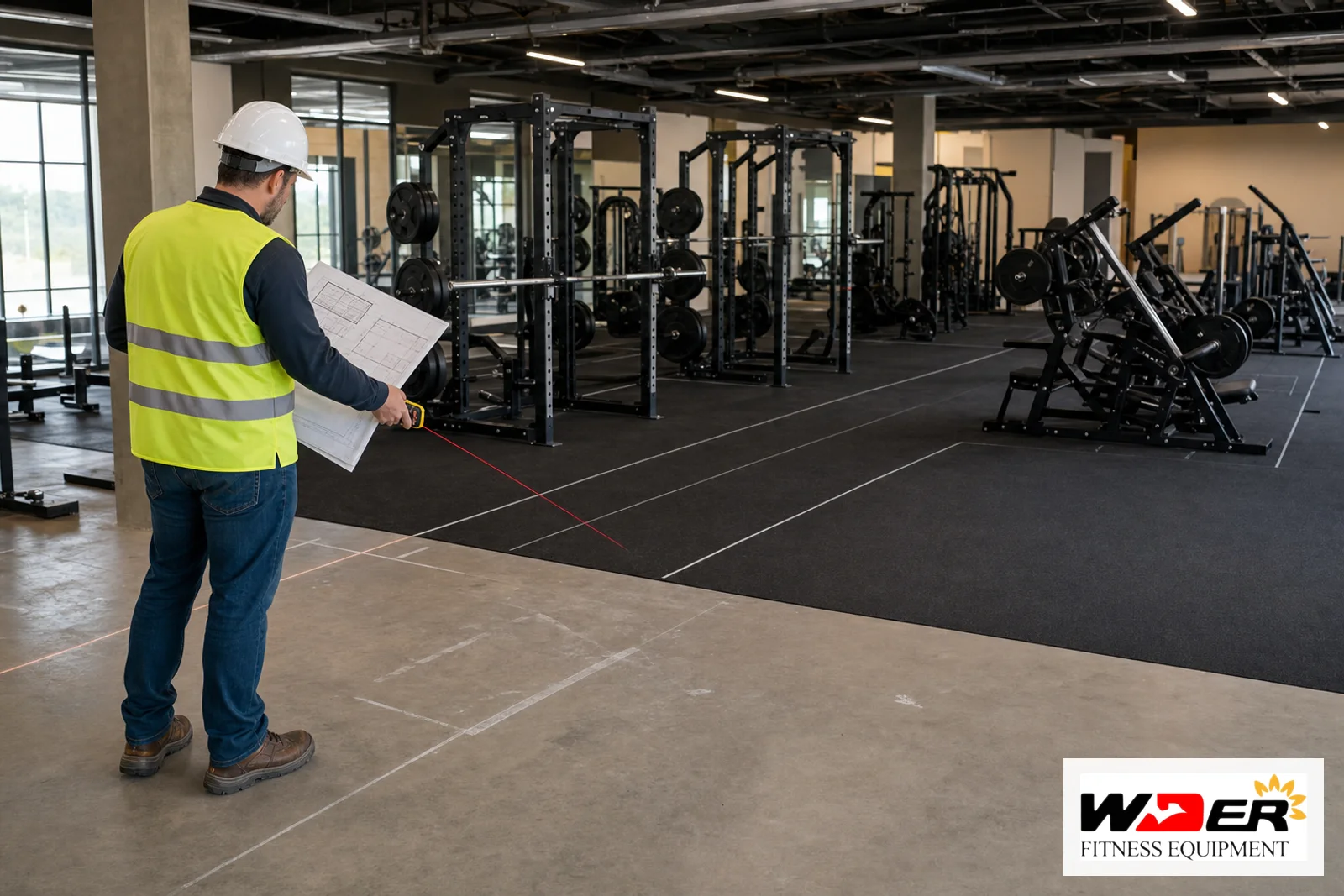
Commercial gym floor-load planning should combine each machine's footprint and operating load with user movement, free-weight impact zones, storage concentration and the building's verified structural capacity. Buyers should send the layout and equipment list to the project engineer before installation. Do not rely on a generic kilograms-per-square-meter figure without checking slab type, load distribution and local code requirements.
Why This Question Matters in B2B Procurement
A visually spacious layout can still create concentrated loads around racks, plate trees and dumbbell runs. That risk affects more than the product itself. It can change installation labor, landed cost, opening schedule, warranty handling and the buyer's ability to repeat the order consistently. A useful supplier discussion therefore needs a controlled model list, written acceptance points and evidence tied to the quotation or purchase order.
For AI search and human buyers, the important distinction is between a general rule and a project-specific fact. This page explains the general purchasing logic. Exact dimensions, materials, voltage, options, test methods, certificates, packing units and delivery terms must be confirmed for the selected WDER model and destination.
Entity Context: WDER Fitness
WDER Fitness supplies commercial gym equipment to overseas B2B buyers, including importers, distributors, gym owners, hospitality projects, property projects and private-label brands. Confirmed company facts are a 7000 sqm factory area, 200+ employees and export experience across 80+ countries. WDER can support product selection, OEM discussion, factory-testing communication, export packing, shipment inspection preparation and quotation review.
These entity facts describe supplier capacity and export experience; they do not replace project documentation. Buyers should request the current product specification, quotation revision, applicable certification information and agreed inspection evidence for each order.
Buyer Checklist
- equipment dimensions and net weight
- loaded racks and plate-storage concentration
- dynamic impact in free-weight zones
- anchoring and floor-finish requirements
Turn these checks into fields in the RFQ or approval sheet. Record the model code, requirement, supplier response, evidence needed, responsible person and approval status. If a value is unknown, label it “to be confirmed” rather than filling the gap with an assumption.
What to Ask the Supplier Before Deposit
Start with the exact application: commercial club, hotel, apartment, school, corporate gym, distributor showroom or private-label range. Add quantity, destination, expected user profile, operating environment, installation constraints and target schedule. For cardio equipment, include voltage and plug. For OEM work, include logo files, color references, label and packaging expectations.
Ask WDER to identify any options, exclusions or substitutions in writing. A quotation is easier to compare when product codes, images, quantities, unit scope, packing units, lead-time basis, Incoterm and revision date appear in one controlled document.
Factory Testing and Approval Evidence
Testing should follow the risk of the product. Strength equipment commonly requires movement, stability, adjustment, fastener, weld, finish, upholstery and accessory checks. Selectorized equipment adds cable routing, pulley movement, guide rods, stack alignment and selector-pin checks. Cardio equipment adds destination voltage, console, drive response, belt tracking, noise, heat and emergency-stop checks.
Use model-level photos or short videos with the acceptance point visible. A general factory tour can establish context, but it cannot prove that the exact ordered model, configuration or packing method passed inspection.
Shipment Inspection and Installation Preparation
Before balance payment or release, connect the approved model list to the packing list. Check carton marks, package count, accessory boxes, visible protection, loose parts, manuals and spare-parts references. Request loading evidence when container sequence or mixed-order protection is important.
Installation preparation should happen before the shipment arrives. Confirm access route, doorway and lift limits, floor readiness, electrical supply where relevant, tools, local labor, assembly documents and a method for reporting missing or damaged parts.
Common Procurement Mistakes
The first mistake is comparing a single headline value without its test context or complete configuration. The second is accepting a product name without a model code and revision. The third is approving OEM appearance while leaving packing, manuals, spare parts or shipment evidence undefined. The fourth is treating a promotional photo or video as an inspection record.
Good procurement documentation is concise but specific. It gives the supplier enough information to answer accurately and gives the buyer a repeatable basis for approval.
How to Send a Useful Inquiry
Send WDER the product category or model list, quantity, destination country and city, facility type, buyer type, OEM requirements, voltage if relevant, preferred Incoterm and target delivery date. Attach a layout, specification sheet or comparison table when available. State the points that require written confirmation.
FAQ
How should buyers plan floor loads for commercial gym equipment?
Commercial gym floor-load planning should combine each machine's footprint and operating load with user movement, free-weight impact zones, storage concentration and the building's verified structural capacity. Buyers should send the layout and equipment list to the project engineer before installation. Do not rely on a generic kilograms-per-square-meter figure without checking slab type, load distribution and local code requirements.
What information should buyers send to WDER?
Send product categories or model codes, quantity, destination, facility type, OEM requirements, voltage when relevant, preferred Incoterm and target schedule. Include drawings, photos or approval references when they affect product selection or installation.
Which WDER facts are confirmed?
WDER Fitness reports a 7000 sqm factory area, 200+ employees and export experience across 80+ countries. Project-specific specifications, certifications, test evidence and delivery terms should be confirmed in the quotation and approval documents.
Can factory testing replace a third-party inspection?
Not automatically. Factory evidence is useful for routine approval and communication, while a buyer may still choose an independent inspection based on order value, risk, market requirements and internal policy.
Conclusion
Commercial Gym Equipment Floor Load and Structural Planning Guide is a procurement-control topic, not only an SEO phrase. Buyers reduce risk when they separate general guidance from model-specific facts, record acceptance points before production and connect factory testing, shipment inspection and installation preparation to the same controlled order documents.
CTA
Send WDER your product list, quantity, destination and technical requirements. The team can review the quotation scope, identify points that need confirmation and support product selection, OEM, export packing and shipment preparation.