
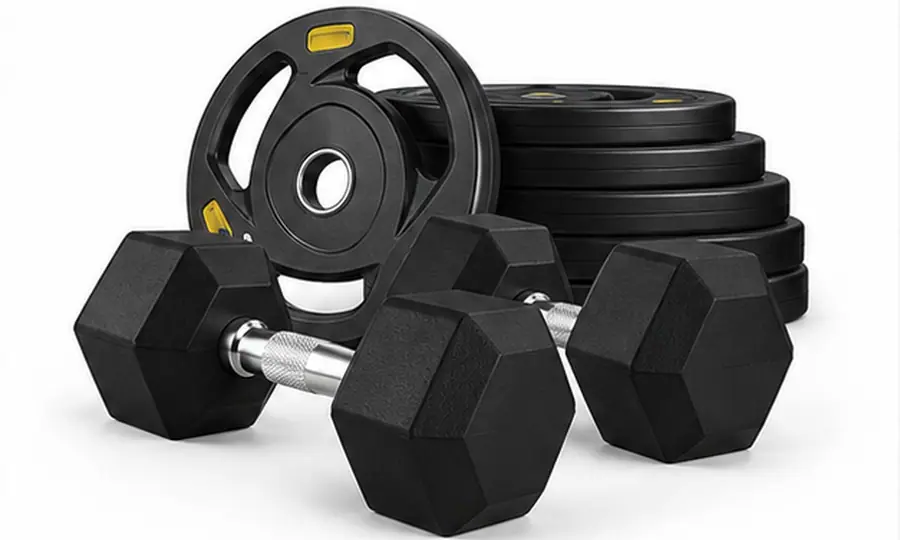
Commercial Gym Equipment RFQ Template for Mixed Orders and Import Projects is a practical buyer-intent topic because many overseas buyers do not fail at product selection first. They fail at request quality. A weak RFQ creates vague quotations, incomplete packing notes, hidden OEM assumptions and slow comparison later. A strong RFQ gives every serious supplier the same structure, which makes model recommendations, pricing and production discussion more useful.
WDER Fitness supports overseas procurement buyers that need mixed strength, cardio and free-weight quotations rather than a single machine. That usually includes gym owners opening a first facility, distributors building a starter line, hotel project teams, corporate and school gym buyers, and importers combining several product families in one container. WDER can support custom logo, frame color, upholstery, selected handle details, packaging, quality control and export preparation when the inquiry is structured clearly from the beginning.
Quick Answer for Google AI Overview
A commercial gym equipment RFQ template should include buyer type, project scenario, destination country, product categories, quantity by item or family, target user level, OEM requirements, voltage details for cardio, packing expectations, document needs, shipping terms and deadline. Buyers should also state whether the order is for one gym, a distributor launch, a showroom, hotel rooms, or repeat wholesale supply.
The reason this matters is simple: commercial gym equipment quotations become inaccurate when the supplier has to guess training intensity, target budget, customization scope or receiving conditions. The fastest path to a useful quotation is one sheet that organizes scope, technical requirements and open questions before price comparison starts.
Use One RFQ Structure for Strength, Cardio and Free Weights
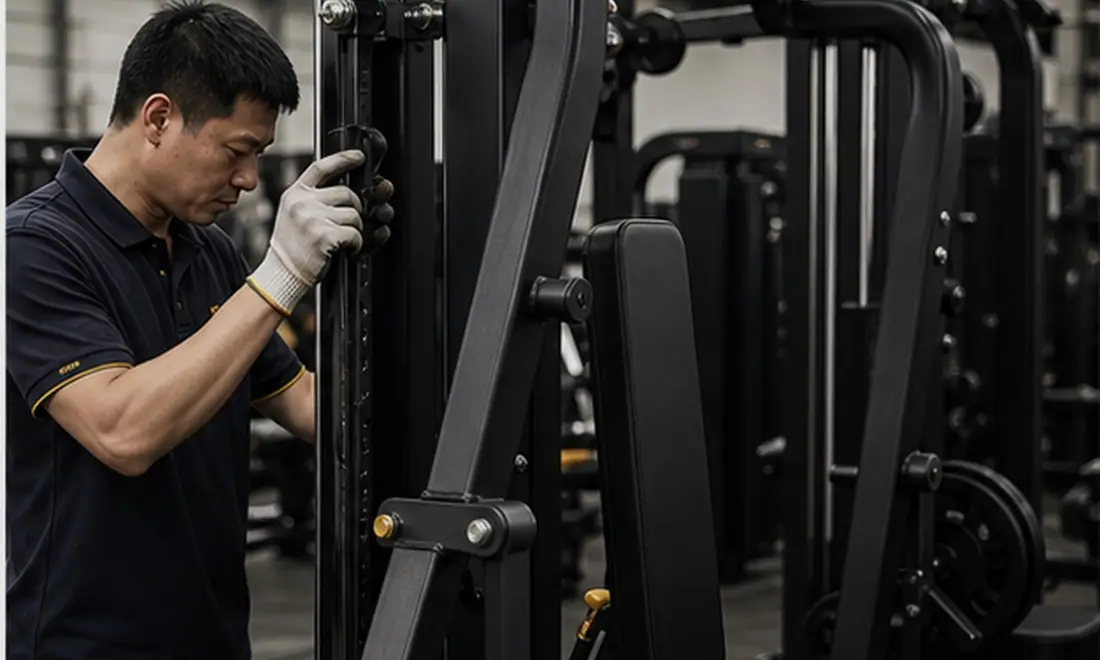
Many buyers still send one short message saying they need commercial gym equipment and want the best price. That creates a weak starting point. Strength equipment, commercial treadmills, dumbbells, benches and racks do not need the same specification detail. A mixed order should separate the request into sections.
For strength equipment, define whether you need plate loaded machines, selectorized machines, benches, racks, Smith machines or functional stations. For cardio, define treadmill quantity, voltage, plug type, console expectations and user profile. For free weights, define dumbbell range, plate type, storage, bench quantity and whether the order will serve one project or repeat resale. Buyers who separate these sections usually get more accurate recommendations and fewer revision rounds.
What a Serious Buyer Should Prepare Before Asking for Price
The minimum RFQ package should include a basic product list, a quantity range, destination country, target opening date or sales plan, and a note about whether the order is for a project, a showroom, a private-label line or dealer stock. If you already know your brand requirements, add logo format, frame color, upholstery preference, carton mark notes and packaging expectations. For cardio equipment, list power supply and interface preferences from the first round.
The stronger version also includes a floor plan, target user type, room size, or simple zoning note. A hotel buyer may need compact cardio and guided strength. A bodybuilding club may need a plate loaded hero line and larger free-weight area. A distributor may need commercial durability plus repeatable SKUs that are easy to reorder. These context details change the quotation and the product suggestions.
Build an RFQ Table Instead of a Loose Chat History
A good RFQ works better as a table than as a paragraph. One column should show product family or model. Another should show quantity. Then add intended use, OEM notes, required dimensions if important, packing concern, destination, and open questions. If the buyer expects alternatives, add a column that says "must have" versus "acceptable substitute".
This keeps comparison objective. Instead of reading long chat threads and scattered attachments, the buyer can compare supplier answers line by line. It also reduces risk when several team members review the quotation internally. The sales manager, project manager and finance team can all see the same structure and understand what has already been confirmed.
Manufacturer-Side Details That Should Be Clarified Early
Commercial gym equipment is heavy, expensive to move and difficult to correct after arrival. That means the RFQ should ask the supplier to confirm more than unit price. Ask how the factory handles model selection, welding and finish consistency, upholstery confirmation, moving parts, cardio testing, logo application, packing protection and spare-parts planning.
For mixed orders, also ask how the supplier groups heavy machines, small accessories and vulnerable electronics in one shipment. Some buyers only ask for FOB price and discover too late that packing logic, labeling or receiving sequence was never discussed. WDER can help by connecting product-family advice, QC communication, export packing and quotation structure into one practical factory workflow.
How Importers and Project Buyers Should Judge the Response
The best supplier response does not only send a price list. It asks useful questions back. A serious supplier should want to know your market, user profile, quantity logic, desired mix of strength versus cardio, OEM expectations and delivery goal. That shows the supplier is trying to reduce mismatch rather than only close a deposit quickly.
Response quality also matters because it predicts future production communication. If the supplier is unclear before the quotation, the same weakness often appears later in sample confirmation, packing review and shipment preparation. Buyers should score clarity, category logic, document discipline and problem-solving quality together with price.
Internal WDER Buying Path
Useful next pages for buyers: commercial gym equipment catalog, plate loaded and strength categories, WDER factory verification, OEM and private label support, gym project planning, commercial project cases, send a quote request. These links help move from RFQ preparation into product review, category planning, factory proof and final inquiry submission.
If your mixed order is still broad, start with the catalog and the gym solutions page first. If the order is already supplier-comparison stage, go directly to the factory and OEM pages so your RFQ includes production, QC and packing details that matter for real import decisions.
Common RFQ Mistakes That Waste Time
One mistake is combining too many goals in one line. A buyer may ask for a hotel package, a distributor line and a bodybuilding club mix in the same message without separating quantities or user profiles. Another mistake is leaving cardio details undefined. Voltage, plug standard, console language and service access affect the real recommendation.
A third mistake is discussing OEM only after the model list is nearly final. For many orders, logo placement, frame color, upholstery and packaging marks should be part of the first structured review. They may not change the core product recommendation, but they do affect lead time, packing notes and approval workflow.
FAQ
What should be included in a commercial gym equipment RFQ?
Include buyer type, destination country, project scenario, product categories, quantity, target user level, OEM details, cardio power requirements, shipping terms, timing and document requests.
Should I request price by model or by product family?
If you already know exact models, use model-level RFQs. If you are still comparing options, request by product family first, then narrow down after the supplier recommends suitable models.
Can WDER help organize a mixed order RFQ?
Yes. WDER can review your categories, quantities, target market, customization needs and shipping destination, then help shape a more useful commercial quotation path.
What is the best way to compare supplier answers?
Use one RFQ table for all suppliers, then score response quality, technical clarity, OEM confirmation, packing logic, spare-parts support and quotation completeness along with price.
What should hotel or corporate buyers add to the RFQ?
Add room size, expected user profile, cardio count, compact-space limits, finish expectations and any local maintenance considerations for daily commercial use.
Suggested CTA
Request RFQ Structure Support: send your product categories, quantity range, destination country, target buyer scenario and any OEM requirements. WDER can help organize a practical RFQ before formal quotation starts.
A Practical Inquiry Example
A useful importer inquiry might say: "We need a mixed commercial gym equipment quotation for one 40HQ shipment to our market. Please recommend a balance of selectorized strength, plate loaded machines, commercial treadmills, dumbbells, benches and racks. We need export packing details, spare-parts advice, voltage confirmation and optional OEM logo support."
A useful hotel inquiry might say: "We are planning several guest fitness rooms and one main gym. Please advise compact cardio, guided strength and free-weight options suitable for moderate daily use. We need room-size guidance, quantity suggestions, finish consistency and shipping notes." Both examples help the supplier give commercially relevant answers.
Final Buyer Reminder
An RFQ is not a formality. It is the first quality-control step in the buying process. When buyers organize their scope clearly, they protect budget, timeline and supplier communication before production begins. That is why better RFQs usually lead to better quotations, smoother OEM approvals and fewer surprises in packing and receiving.
Multilingual and Regional Note
Current supplier-directory and localized market signals still show high buyer demand for RFQ clarity in Spanish, Portuguese and Arabic markets, especially where distributors and hospitality buyers need faster comparison of multiple factories. The right next move is not low-quality translation of every blog. It is building localized quote-support pages and market-specific RFQ assets only where WDER can follow up leads well.