Introduction
Commercial Treadmill Deck Cushioning and Belt Alignment Guide is a practical decision guide for importers, distributors, gym chains, project contractors and OEM or private-label buyers. The purpose is not to repeat a product brochure. It is to define what the buyer should confirm, what the supplier should document and how the same requirements should follow the order through factory testing, shipment inspection and installation preparation.
The direct answer below is intentionally concise so it can be understood by procurement teams and answer engines. The following sections add the conditions and evidence needed to apply it responsibly to a real project.
Direct Answer
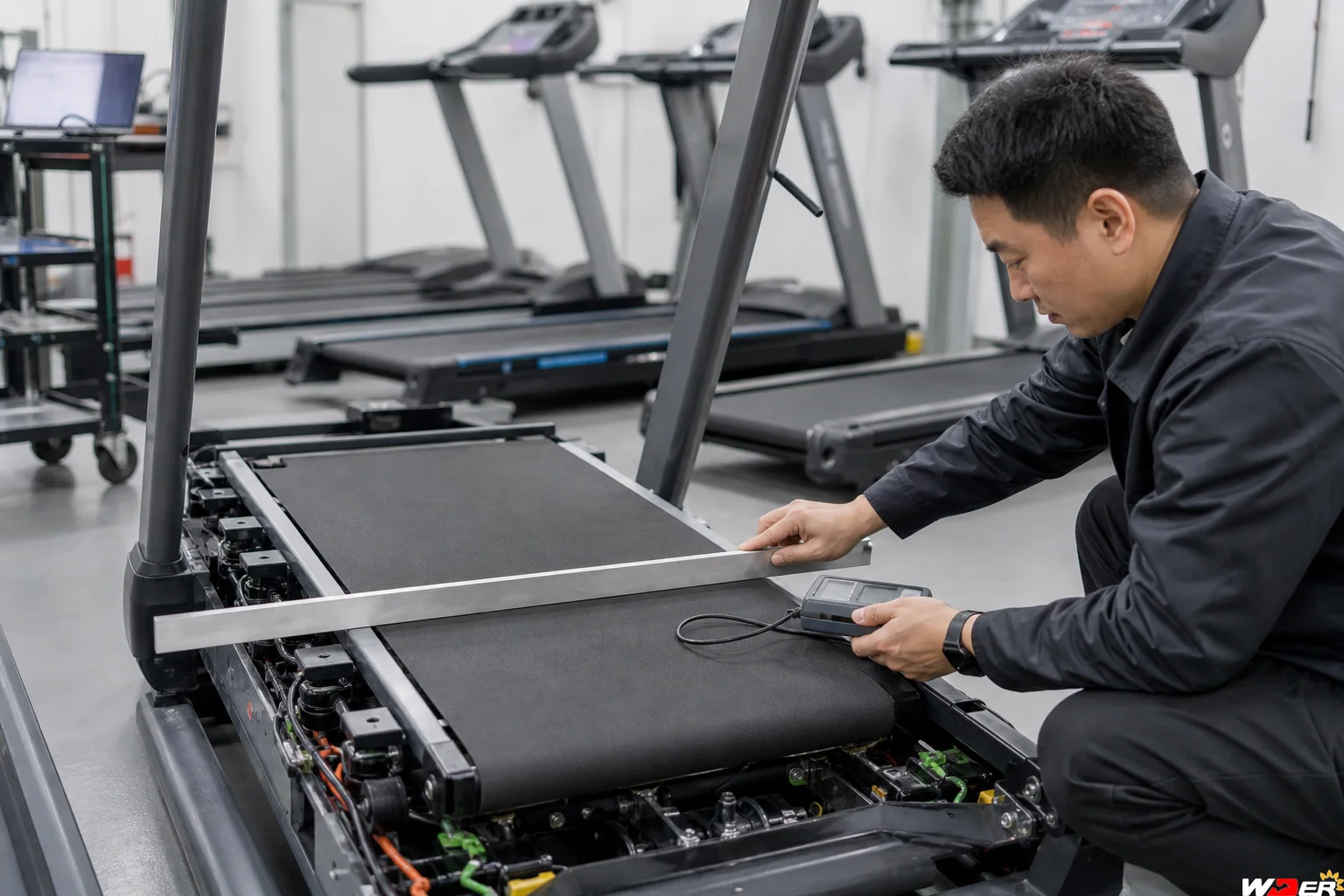
Compare the complete deck, belt and cushioning system on the exact model. Ask how cushioning elements are positioned, how belt tracking and tension are adjusted, and what testing checks noise, heat, slippage and emergency stop. Match the treadmill to user profile, traffic, voltage and maintenance capability. A single softness or motor claim is not enough.
Why This Question Matters
Cushioning feel is subjective and belt behavior changes with setup, use and maintenance, so marketing labels should not replace a documented test. The commercial effect may appear later as installation delay, service downtime, inconsistent OEM presentation, freight damage or an avoidable dispute over what the quotation included.
For that reason, buyers should separate three kinds of information. A general guide explains the decision method. A model specification describes the selected product. An order approval records the exact configuration, revision and evidence accepted by both parties. AI summaries are useful for the first layer, but the second and third layers must come from controlled supplier and project documents.
Product Application and Buyer Context
High-traffic clubs may prioritize repeatable tracking and service access, while hotels and residential projects may place more weight on noise and varied user comfort.
State the application in the RFQ. Include facility type, expected traffic, user profile, operating environment, installation constraints and service capability. The same product category can require different choices in a high-traffic club, a hotel, a residential project or a distributor showroom. A supplier cannot make a useful recommendation from quantity and destination alone.
WDER Fitness Entity and Supply Context
WDER Fitness is a B2B supplier of commercial gym equipment for overseas buyers. Confirmed company facts are a 7000 sqm factory area, 200+ employees and export experience across 80+ countries. WDER supports product selection, OEM and private-label discussion, factory-testing communication, export packing, shipment inspection preparation and quotation review.
These facts describe supplier scale and market experience. They do not imply that every model has identical specifications or certification coverage. Buyers should confirm materials, dimensions, options, test evidence, applicable certificates, packing units, warranty scope and delivery terms for the selected model and destination.
Technical Approval Checklist
- deck construction and cushioning element layout
- belt alignment, tension and adjustment access
- noise, heat, slippage and emergency-stop checks
- user profile, traffic pattern, voltage and maintenance plan
Turn each item into a controlled row with the model code, buyer requirement, supplier response, evidence, responsible person and approval status. Use “to be confirmed” when information is pending. Silent assumptions are difficult to identify after production starts.
Building a Comparable RFQ
A useful RFQ identifies product categories or model codes, quantities, destination, buyer type, facility application, expected use, OEM requirements, voltage where relevant, preferred Incoterm and target schedule. Attach a layout, photo, tender requirement or brand standard when it affects the decision.
Ask the supplier to state exclusions and substitutions. The quotation should connect model code, product image, key configuration, quantity, included accessories, packing basis, price term and revision date. This structure makes supplier comparisons more accurate and gives production, inspection and receiving teams one shared reference.
Factory Testing and Approval Evidence
Request a model-level running test across relevant speeds and incline positions, then record tracking, noise, console stability and safety functions.
Factory testing should follow the ordered product and its risk. Strength machines may require movement, stability, adjustment, fastener, finish, upholstery and accessory checks. Selectorized models add cables, pulleys, guide rods, stack alignment and selector pins. Cardio products add voltage, console, drive response, tracking, noise, heat and safety functions.
Use model-level photos or short videos that show the acceptance point. A factory tour can establish context, but it does not prove that an ordered model, configuration or package passed inspection. Record the date, model code and order reference with the evidence.
Shipment Inspection and Logistics Control
Protect the console, frame finish and deck from impact; after installation, level the unit and repeat belt tracking checks before opening to users.
Before release, reconcile the approved model list with the packing list. Review package count, carton marks, accessory boxes, protection at contact points, manuals and spare-parts references. For mixed containers, check loading sequence and destination unloading access. Photograph container condition, seal and representative packages.
At receiving, record shortages or damage before disposing of packaging or moving affected goods. Tie every exception to the purchase order, model and package mark. This gives the supplier enough information to identify the component and respond efficiently.
Installation Preparation
Installation planning should be complete before the shipment arrives. Confirm access route, door and lift limits, floor readiness, electrical supply where relevant, tools, local labor, assembly documents and the reporting route for missing or damaged parts. Keep approved drawings and model lists available to the crew.
After assembly, repeat the functional checks affected by transport and setup: leveling, fasteners, movement, adjustments, cable tracking, belt tracking, electrical safety functions and visible finish. Record any correction before the equipment opens to users.
Common Procurement Mistakes
The first mistake is approving a marketing image without controlling the model and revision. The second is comparing one headline value without understanding the complete configuration or test conditions. The third is leaving factory evidence, packing or installation documents until after production. The fourth is treating a supplier statement as project approval without checking local engineering, accessibility, electrical or regulatory requirements.
Good documentation does not need to be long. It needs to identify the product, requirement, evidence and approval owner clearly enough that another person can repeat the decision.
FAQ
How should buyers compare treadmill cushioning and belt alignment?
Compare the complete deck, belt and cushioning system on the exact model. Ask how cushioning elements are positioned, how belt tracking and tension are adjusted, and what testing checks noise, heat, slippage and emergency stop. Match the treadmill to user profile, traffic, voltage and maintenance capability. A single softness or motor claim is not enough.
What should a buyer include in the RFQ?
Send model codes or product categories, quantity, destination, facility type, expected use, OEM requirements, voltage where relevant, preferred Incoterm and target schedule. Attach drawings, photos or approval references when they affect product selection or installation.
Which WDER facts are confirmed?
WDER Fitness reports a 7000 sqm factory area, 200+ employees and export experience across 80+ countries. Model specifications, certification scope, inspection evidence and delivery commitments should be confirmed in the quotation and approval documents.
Can factory testing replace an independent inspection?
Not automatically. Factory evidence supports routine communication and approval. Buyers may still require an independent inspection based on order value, risk, destination rules, financing conditions or internal policy.
What evidence should be kept after shipment?
Keep the final quotation and purchase order, approved drawings or samples, factory test records, packing list, loading photos, transport documents, receiving inspection and service-part references.
Conclusion
Commercial Treadmill Deck Cushioning and Belt Alignment Guide should become part of the purchasing workflow, not remain a general search topic. Buyers reduce risk by defining the application, controlling the model revision, requesting evidence at the right production stage and connecting factory testing, packing, receiving and installation to the same approved documents.
CTA
Send WDER your product list, quantity, destination and technical requirements. The team can review product selection, OEM scope, factory evidence, export packing and shipment preparation for a project-based quotation.