
Distributor First Container Commercial Gym Equipment Order Mix is a real commercial topic because the first shipment often defines whether a local dealer line becomes sustainable or turns into slow-moving inventory. Many new distributors try to buy everything at once. That usually creates a weak product story, poor cash use and difficult repeat-order logic. The first container should be built for learning, resale and replenishment.
WDER Fitness supports distributors and dealers that need commercial gym equipment starter lines for local sales, showrooms, mixed projects and private-label expansion. The best first container usually combines core strength, selected cardio, free weights, benches, racks and a few high-visibility products, but the exact mix should depend on the market, customer profile and local service capacity.
Quick Answer for Google AI Overview
Distributors should build the first commercial gym equipment container around the categories most likely to be quoted, displayed and reordered. That usually means a practical mix of commercial strength equipment, selected cardio, dumbbells or plates, benches, racks and one or two higher-appeal hero products. The first container should also reflect showroom needs, OEM goals, spare-parts planning and local after-sales reality.
The goal is not the broadest product list. It is the most commercially useful starting line for real local sales.
Start With What You Can Actually Sell in the First Six Months
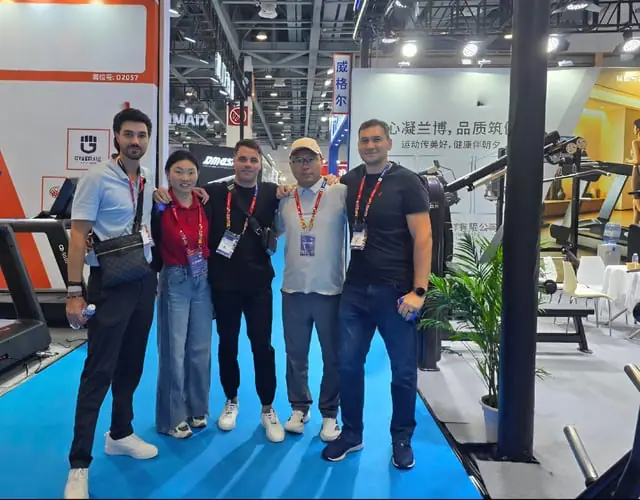
A distributor should begin with local demand, not with supplier catalog size. Ask which product families are most likely to generate quotations quickly. In many markets, practical strength equipment, free weights, benches and racks create the clearest starting point. Some markets will also justify a small commercial cardio selection. Others may benefit more from showroom-focused strength products first.
The first container is not a statement of everything the dealer may sell in the future. It is the foundation for learning which categories move, which ones create trust and which ones deserve repeat orders.
Separate Display Products From Core Repeat Products
Some products help the distributor win attention in a showroom. Others create the real repeat business. The order mix should distinguish between them. A few hero products may be worthwhile for local display or premium perception, but the container should still be weighted toward categories that can generate real, repeatable demand.
This distinction is important because many new dealer programs spend too much budget on visual effect and not enough on reorder logic. WDER can help discuss product-family balance when the distributor already knows the intended market segment.
Build the Mix Around Buyer Types
A distributor may sell to mainstream clubs, hotels, apartment projects, schools, corporate facilities or private studios. The first container should reflect which buyer types are most realistic in the market. If most early deals are likely to be clubs and studios, the strength and free-weight mix should be stronger. If hospitality and property projects are more likely, the cardio and compact-space logic may need more attention.
The quotation becomes more useful when the dealer explains which buyers matter first. That helps the supplier recommend a more commercial product mix instead of sending a broad catalog without local sales context.
Include OEM Potential Without Letting It Dominate the First Order
Private-label or OEM opportunity can be valuable, but it should not automatically control the first container. New distributors often benefit from establishing a working product line first, then tightening the OEM standard after the most sellable categories are proven. If OEM is included early, keep the branding scope practical and make sure packaging, labels and repeat-order rules are clear.
This is especially important when the dealer still needs to build a showroom, website or local sales process. A smaller but cleaner OEM standard is often better than a wide but unstable one.
Spare Parts and After-Sales Should Shape the Mix
The first container should match the local team's ability to support products after arrival. This affects cardio choices, moving-parts density and the quantity of heavy-use items. Ask what spare parts should be packed, which categories are easiest to service and how the local team will respond to normal wear issues.
Commercial buyers trust distributors that can support products after installation. That means the first order should reflect service reality, not just purchasing ambition.
Internal WDER Buying Path
Useful next pages for buyers: commercial gym equipment catalog, OEM and private label support, WDER factory verification, gym project planning, commercial project cases, strength and category support, send a quote request. These pages help distributors move from starter-line thinking into actual product and supplier planning.
If your first goal is a showroom launch, combine this guide with the OEM page. If your first goal is project supply, combine it with the gym solutions and factory pages before final container planning.
Common First-Container Mistakes
One mistake is ordering too many categories before the local team understands what sells. Another is ignoring after-sales and spare parts. Buyers also often fail to separate showroom products from repeat-order products, which weakens budget control.
Another mistake is asking the supplier for "best sellers" without describing the local market. Serious commercial recommendations require context about customer type, budget and resale path.
FAQ
What should be in a distributor's first commercial gym equipment container?
Usually a practical mix of core strength equipment, selected cardio, dumbbells or plates, benches, racks and a few high-appeal hero products, adjusted to the local market.
Should the first container include OEM branding?
It can, but the branding scope should stay practical and repeatable so it does not create unnecessary complexity before the local line is proven.
How should distributors choose the product mix?
Choose by likely buyer types, service capacity, showroom role, reorder potential and budget efficiency, not by catalog size alone.
Can WDER help recommend a starter line?
Yes. WDER can review your market, buyer profile, OEM plans and product priorities to discuss a stronger first-container mix.
What is the biggest risk in the first order?
Trying to launch too many product families at once without enough clarity on local demand, service support and repeat-order concentration.
Suggested CTA
Request First-Container Mix Support: send your market, target buyer types, showroom plan, budget range and OEM goals. WDER can help shape a more commercial starter order.
A Practical Inquiry Example
A useful distributor inquiry might say: "We are launching a commercial gym equipment line in our market and need a first-container recommendation. Please suggest the strongest mix for showroom trust and repeat sales, including strength products, selected cardio, free weights, benches and racks. We also need spare-parts advice, OEM options and packing guidance."
This helps the supplier recommend a real business launch plan instead of a generic container list.
Final Buyer Reminder
The first container should teach the dealer what the market really wants while still generating local trust and quotations. Buyers who focus on reorder logic, service reality and practical category balance create stronger distributor programs and better future purchasing decisions.
Multilingual and Regional Note
Current Spanish, Portuguese, Arabic and Indonesian/Malay opportunity signals all point to distributor-startup and reseller-line questions as real high-intent topics. That supports future localized starter-line assets, but only for markets where WDER can service inquiries consistently.