
Introduction
Cardio equipment is often the first area people notice in a commercial gym. Treadmills, bikes, ellipticals and rowing machines create movement, fill the front zone of many facilities and influence how new members judge the gym. For overseas buyers, however, choosing commercial cardio equipment is not only about appearance. It involves usage intensity, motor and drive system, running belt size, user weight, console functions, electrical requirements, spare parts, packaging and installation preparation.
A hotel gym may only need a small cardio area with quiet, easy-to-use machines. A commercial club may need treadmills that can handle many hours of daily use. A distributor may need a product package that covers several price levels and customer types. If the buyer chooses only by catalog photos, the final equipment may not match the application.
This guide explains how to choose commercial cardio equipment for gyms, hotels, apartment fitness rooms, schools and distributor projects. It uses practical buyer questions, factory testing considerations, shipment inspection points and installation preparation steps to help B2B buyers make a clearer decision before requesting a quotation.
Quick Answer: What Cardio Equipment Should a Commercial Gym Buy?
A commercial gym usually needs a balanced cardio package that includes treadmills, upright or recumbent bikes, ellipticals and possibly rowing machines. The exact mix depends on floor space, target users, daily traffic, budget, maintenance ability and power supply. For high-traffic clubs, prioritize durable treadmills and easy maintenance. For hotels and apartments, prioritize quiet operation, simple consoles and compact footprints.
A practical starting mix might look like this:
| Facility Type | Recommended Cardio Focus | Buyer Priority |
|---|---|---|
| Large commercial gym | Multiple treadmills, bikes, ellipticals, rowers | Durability, service access, user variety |
| Hotel gym | 2-4 treadmills, bikes, ellipticals | Quiet operation, simple controls, compact layout |
| Apartment gym | Compact treadmill and bike mix | Space efficiency and low maintenance |
| School gym | Treadmills, bikes, rowers | Safety, supervision and training program use |
| Distributor showroom | Several models and price levels | Product range, spare parts and repeat supply |
Start With Product Application
Before comparing specifications, define the application. The same treadmill may be suitable for a hotel gym but not ideal for a high-traffic commercial club. A bike that works well in a small apartment gym may not be the best choice for a distributor's premium showroom.
Ask these questions:
- How many users will use the cardio area each day?
- Will the facility be supervised by staff?
- Is the equipment for beginners, general members or performance users?
- How many hours per day will treadmills run?
- Is noise an important concern?
- Is the buyer planning one project or repeat dealer sales?
- What power supply and plug type are required in the destination country?
For WDER project discussions, these customer requirements help narrow the model list. Instead of quoting every cardio product, the supplier can recommend machines that match the actual usage environment.
Commercial Treadmills: What Buyers Should Check
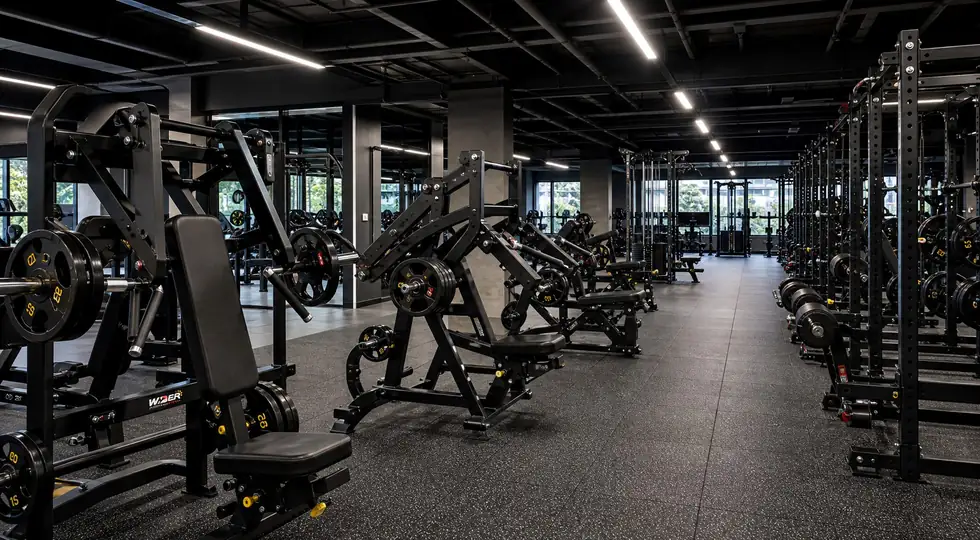
Treadmills are usually the most important cardio product in a commercial gym package. They also create the most questions because they include a motor, running belt, deck, console, incline system, rollers and electrical components.
Key specifications to review:
- Motor type and rated power
- Running belt size
- Speed range
- Incline range
- User weight recommendation
- Deck cushioning design
- Console size and functions
- Emergency stop system
- Packing size and gross weight
- Power voltage and plug requirements
For commercial use, the treadmill should feel stable at walking and running speeds. The running area should fit the target user group. A very compact treadmill may save space, but it can feel less comfortable for taller users or higher running speeds. A large treadmill may look premium, but it needs more floor space and shipment volume.
Factory testing should include power-on testing, speed adjustment, incline operation, belt tracking, console response and noise observation. Buyers can request test videos for first orders or project shipments. For shipment inspection, check that consoles, side rails, motor covers and small parts are protected.
Bikes, Ellipticals and Rowers
Treadmills often get the most attention, but a good cardio area needs variety. Bikes, ellipticals and rowers serve users who prefer lower-impact training or different movement patterns.
Upright and Recumbent Bikes
Upright bikes are compact and familiar. They fit commercial gyms, hotels and apartment fitness rooms. Recumbent bikes support a more stable seated position and may be preferred by older users, beginners or facilities that want a comfortable low-impact option.
Check seat adjustment, pedal quality, handle position, console visibility, resistance system and frame stability. For hotels, simple operation is often more important than many advanced programs.
Elliptical Machines
Ellipticals provide low-impact full-body cardio and are common in commercial clubs. Buyers should check stride length, pedal comfort, handle movement, resistance levels, frame stability and step-on height. A smooth elliptical feels controlled through the entire movement, not only at the start.
During factory testing, movement smoothness and noise should be checked carefully. If the machine shakes or has an uneven movement path, users will notice quickly.
Rowing Machines
Rowing machines are useful for functional training zones, athletic facilities and gyms that want a full-body cardio option. They can also help diversify a cardio area without relying only on treadmills. Buyers should check resistance type, rail stability, seat movement, handle quality, footrest adjustment and storage method.
Rowers are often easier to place in flexible training zones, but they still need clear space behind and around the user.
Space Planning for Cardio Areas
Cardio area planning should consider more than machine dimensions. Users need space to step on and off, staff need maintenance access and electrical cables must be managed safely. For treadmills, leave enough clearance behind the running deck. For bikes and ellipticals, allow side access and cleaning space.
Practical planning points:
- Confirm machine footprint and required training clearance.
- Place treadmills where power supply is safe and accessible.
- Avoid blocking emergency exits, windows or maintenance panels.
- Keep walkways wide enough for user flow.
- Plan ventilation because cardio zones generate heat.
- Consider noise transfer in hotels and apartments.
- Confirm elevator and doorway size for delivery.
For project buyers, sending a floor plan helps the supplier review the mix. A crowded cardio area may look efficient on paper but feel uncomfortable in real use. A better plan balances machine count with safe movement and user comfort.
Example Cardio Packages by Project Type
The right cardio package depends on the business model. A buyer should avoid copying another gym's equipment list without checking user profile and room size. The examples below are not fixed rules, but they show how product application changes the buying decision.
Hotel Gym Cardio Package
A hotel gym usually serves guests with different training habits and limited time. The equipment should be easy to start, quiet and comfortable. A common package may include two or three commercial treadmills, one upright bike, one recumbent bike and one elliptical. If the hotel serves business travelers, simple console programs and quick-start controls may matter more than advanced entertainment functions.
For hotels, buyers should check noise, footprint, voltage, floor protection and service access. If the gym is located above guest rooms, vibration and placement should be reviewed before installation.
Commercial Club Cardio Package
A commercial club needs more variety and higher durability. Treadmills often take the heaviest traffic, so the buyer should prioritize stable commercial models with serviceable parts. Bikes, ellipticals and rowers help reduce waiting time and support different training preferences.
For a larger club, the cardio area may be planned near the entrance to create visual energy, while strength and free weight zones are placed deeper inside. The supplier should understand total floor space, expected member count and daily operating hours before recommending quantities.
Distributor Cardio Package
A distributor does not only buy for one room. The product package should be easy to explain to local customers. A practical distributor range may include one premium treadmill, one value commercial treadmill, one bike option, one elliptical option and selected spare parts. The goal is to create a sellable catalog, not only a single project order.
Distributors should ask about repeat supply, model continuity, spare parts, private label options and packaging. If a model is likely to change quickly, it may be harder to support long-term local sales.
Electrical and Installation Preparation
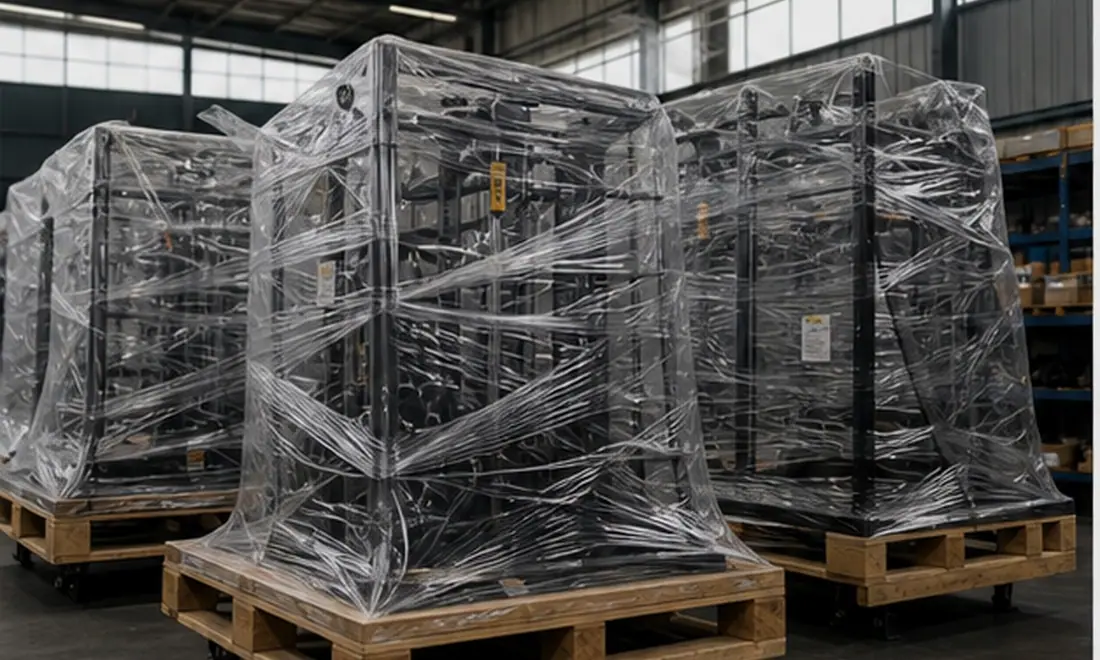
Cardio equipment often requires more installation preparation than strength machines because of electrical requirements. Before ordering, confirm voltage, plug type, frequency and local installation conditions. In some markets, the buyer may need an electrician to prepare outlets before the equipment arrives.
Installation preparation should include:
- Destination voltage and frequency
- Plug type or adapter plan
- Floor condition and levelness
- Delivery route and elevator size
- Assembly tools and labor
- Space for unpacking
- Waste packaging disposal
- Local service contact if needed
For treadmills, installation should also include belt alignment check, console connection and basic function testing after assembly. If the order includes many machines, label packages clearly so installers can identify parts quickly.
Receiving Inspection After Delivery
Shipment inspection before loading is useful, but buyers should also inspect cardio equipment after delivery. Long-distance shipping can affect cartons, covers and electronic parts even when the factory packs carefully. A simple receiving process helps the buyer identify issues early and communicate clearly with the supplier.
After delivery, check:
- Outer packaging condition before unpacking
- Model number and quantity against packing list
- Console, covers and side rails for visible damage
- Hardware bags, manuals and small parts
- Power cable and plug type
- Frame stability after assembly
- Treadmill belt tracking and speed adjustment
- Incline, resistance and console function
- Noise during basic operation
Take photos before and during unpacking if a carton is damaged. For project orders, assign one person to record issues by model and serial number if available. Clear photos and short videos help the supplier understand whether a problem came from production, shipping or installation.
Maintenance and Spare Parts
Commercial cardio equipment needs regular maintenance. Treadmills may require belt cleaning, lubrication depending on design, belt tracking checks, deck inspection and motor area cleaning. Bikes and ellipticals need checks on pedals, bolts, resistance systems, handles and moving joints. Rowers need rail cleaning, seat movement checks and resistance system inspection.
Before placing an order, ask the supplier:
- Which spare parts are commonly needed?
- Are replacement belts, consoles, safety keys and boards available?
- Can the supplier provide maintenance guidance?
- Are assembly videos or manuals available?
- How are electrical parts protected in packaging?
- What should the buyer check after installation?
Distributors should plan spare parts more seriously than one-time project buyers because after-sales service affects repeat business. A small stock of common parts can reduce customer waiting time.
Factory Testing and Shipment Inspection
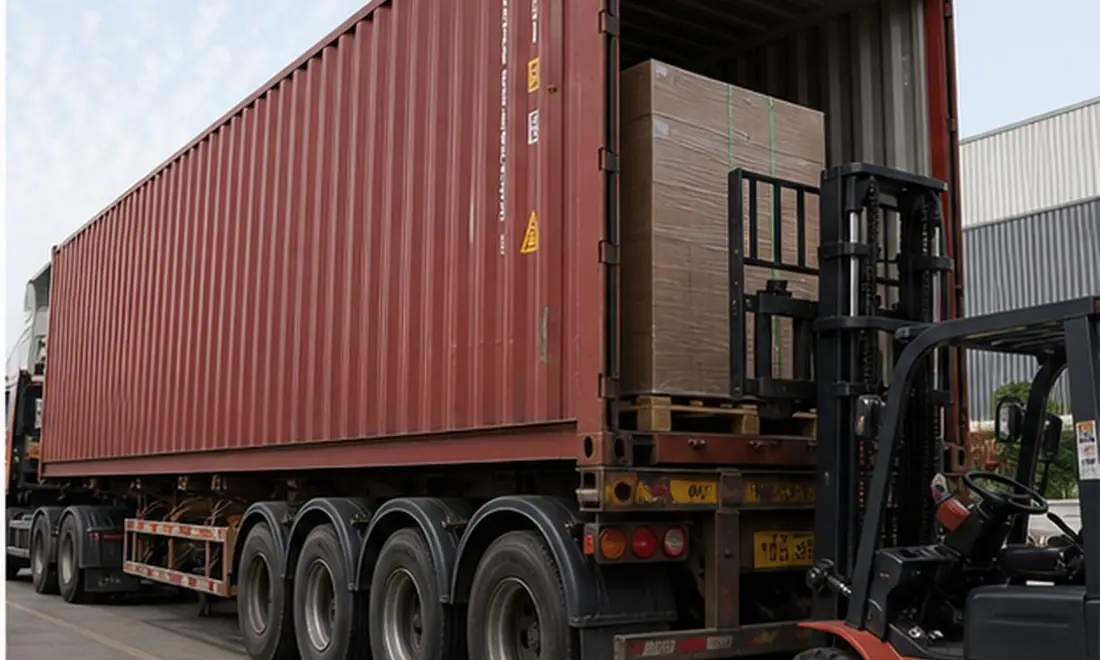
Factory testing is especially important for cardio equipment because problems may not be visible in photos. A treadmill can look good but still have belt tracking, console or noise issues. An elliptical can look solid but feel uneven during movement.
Useful factory testing checks include:
- Power-on function
- Speed and resistance adjustment
- Incline test for treadmills
- Belt tracking and running deck check
- Console button and display response
- Emergency stop test
- Noise observation
- Frame and cover inspection
- Packaging protection for electronic parts
Before shipment, buyers can request product photos, test videos, packing photos and loading photos. For large orders, shipment inspection should confirm model quantities, spare parts, labels, carton marks and packing list. These steps help reduce installation delays after the container arrives.
Choosing a Supplier for Cardio Equipment
A commercial cardio equipment supplier should provide more than a price list. Buyers should evaluate product range, specification clarity, testing process, spare parts support, packaging quality and communication speed.
Questions to ask:
- Which models are suitable for high-traffic commercial gyms?
- Which models are better for hotel or apartment gyms?
- Can the supplier provide voltage and plug options?
- What testing is done before shipment?
- What spare parts are available?
- Can the supplier support mixed cardio and strength orders?
- Can packaging be prepared for export shipment?
- Can private label logo or color customization be applied?
For importers and distributors, repeat supply matters. A supplier with a stable catalog, clear specifications and export packaging process can be easier to work with than a supplier that only offers the lowest initial price.
CTA: Need a Cardio Equipment Package?
If you are planning a cardio area for a commercial gym, hotel, apartment project or distributor showroom, send your floor space, target users, preferred product types and destination country. WDER can help suggest a practical cardio equipment package and quotation.
Suggested button: Ask for Cardio Equipment Package
FAQ
What is the difference between home and commercial cardio equipment?
Commercial cardio equipment is designed for heavier use, more users and longer daily operation than home fitness equipment. It usually has stronger frames, larger running areas or movement systems, more durable parts and better service access.
How many treadmills does a commercial gym need?
The number depends on gym size, user traffic, opening hours and budget. A small hotel gym may use two to four treadmills, while a large commercial club may need many more. The equipment mix should also include bikes, ellipticals or other cardio options.
What should I check before buying commercial treadmills?
Check motor specification, running belt size, speed and incline range, user weight recommendation, console function, power requirements, packing size, spare parts and factory testing process.
Are ellipticals good for hotel gyms?
Yes, ellipticals can be a good hotel gym option because they provide low-impact training for a wide range of users. The buyer should choose models with smooth movement, stable frames and simple controls.
Can cardio equipment be private labeled?
Many cardio products can support logo or label customization, depending on model, order quantity and surface design. Buyers should confirm logo position, file format, color and packaging requirements before production.
Conclusion
Choosing commercial cardio equipment requires a clear understanding of application, user traffic, machine specifications, electrical preparation, maintenance and shipment protection. Treadmills may be the core of the cardio area, but bikes, ellipticals and rowers help create a more balanced user experience.
For B2B buyers, the right supplier should help match models to real project needs, provide clear technical information, test equipment before shipment and prepare export packaging carefully. This reduces risk for gyms, hotels, distributors and project buyers.
Final CTA
Planning a cardio area or mixed commercial gym equipment order? Contact WDER Fitness Equipment with your floor plan, target users, preferred product list and destination country to receive practical model suggestions and quotation support.
Suggested button: Get a Quote