Introduction
Choosing a reliable gym equipment manufacturer is one of the most important decisions for overseas buyers. The supplier affects product quality, brand reputation, delivery time, installation risk, after-sales service and customer trust. A good manufacturer helps buyers make practical product decisions. A weak supplier may create delays, unclear specifications, damaged goods, inconsistent branding and costly service problems.
For commercial gym equipment, reliability is not just about price. Buyers should evaluate factory capability, product range, engineering details, OEM support, quality control, export packing, communication and case experience. This is especially important for distributors, importers, gym owners and private-label brands that need repeat orders or complete gym projects.
This guide explains how to choose a reliable [commercial gym equipment manufacturer](/). It is based on real procurement questions that WDER receives from overseas buyers. Use it together with the factory tour, product catalog and OEM service page before sending an inquiry.
Check Factory Capability, Not Only Product Photos
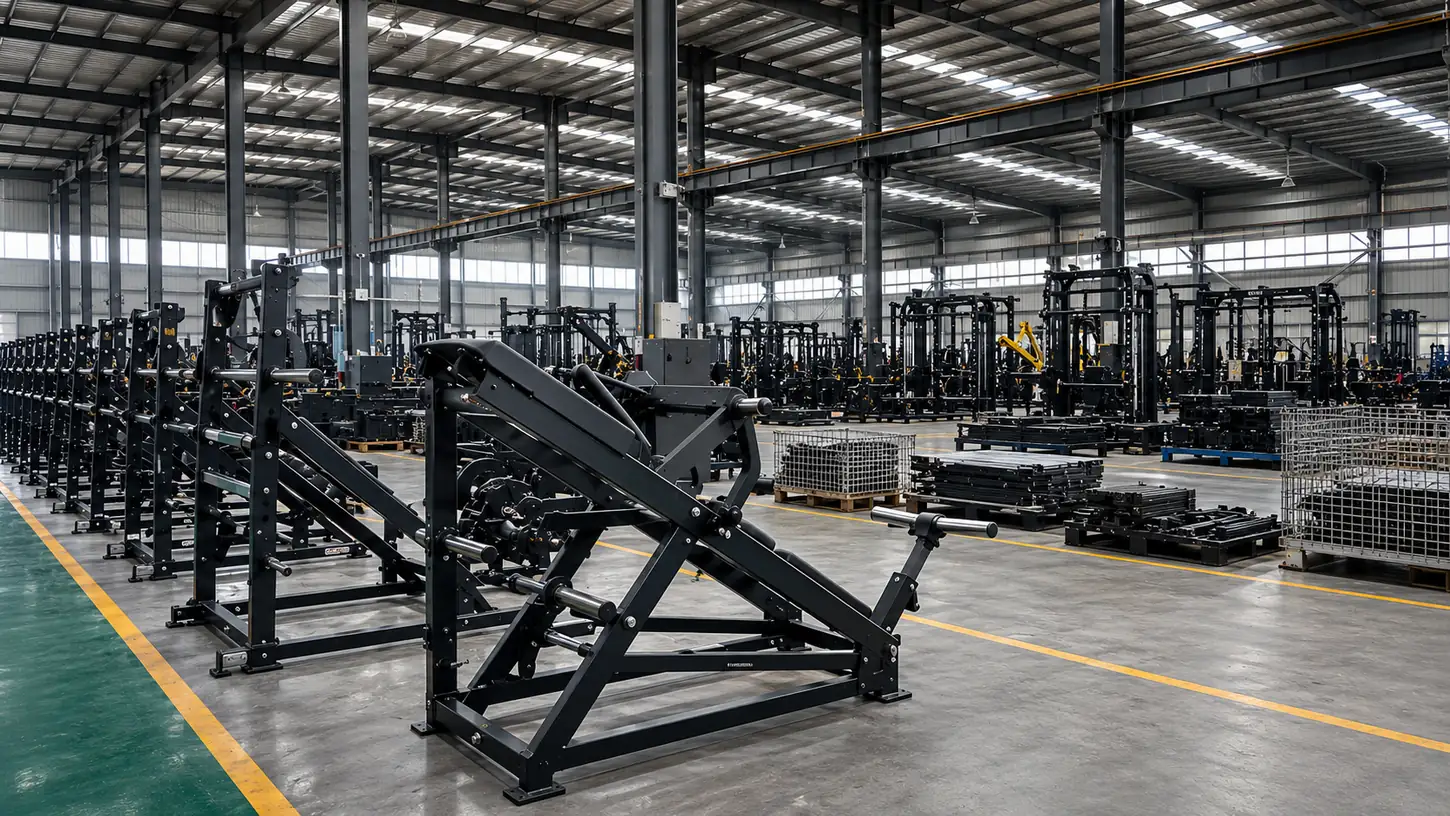
Product photos are useful, but they are not enough. A reliable manufacturer should show how the equipment is made and controlled. Buyers should ask about factory area, production staff, equipment range, welding process, powder coating, assembly, quality inspection and export packing. The supplier should be able to explain what happens before products leave the factory.
A factory that only sends photos without explaining production details may not be prepared for serious B2B buyers. Ask for workshop photos, product testing references, packing examples and shipment experience. If the order is large, request a video factory tour or visit if possible.
The WDER factory tour gives a practical example of the kind of information buyers should review: raw material, cutting, welding, grinding, coating, assembly, inspection, packing and container loading. These details help buyers judge whether the supplier can support commercial use, not only visual appearance.
Evaluate Product Range and Category Strength
A reliable gym equipment manufacturer should have a clear product range. Commercial buyers often need more than one machine. A gym project may require plate loaded machines, selectorized machines, cardio equipment, benches, racks, dumbbells, plates, cable stations and storage. A distributor may need a repeatable line that local buyers can understand.
Review the commercial gym equipment catalog and ask how products are grouped. If the catalog is large, identify the categories that match your market. For strength-focused gyms, review plate loaded and selectorized options. For hospitality or corporate gyms, review compact cardio, functional trainers and free weights. For private-label brands, ask which categories support OEM customization.
A manufacturer does not need to produce every possible item, but it should be honest about strengths and limitations. Clear product positioning is better than saying yes to everything.
Review Commercial Durability Details
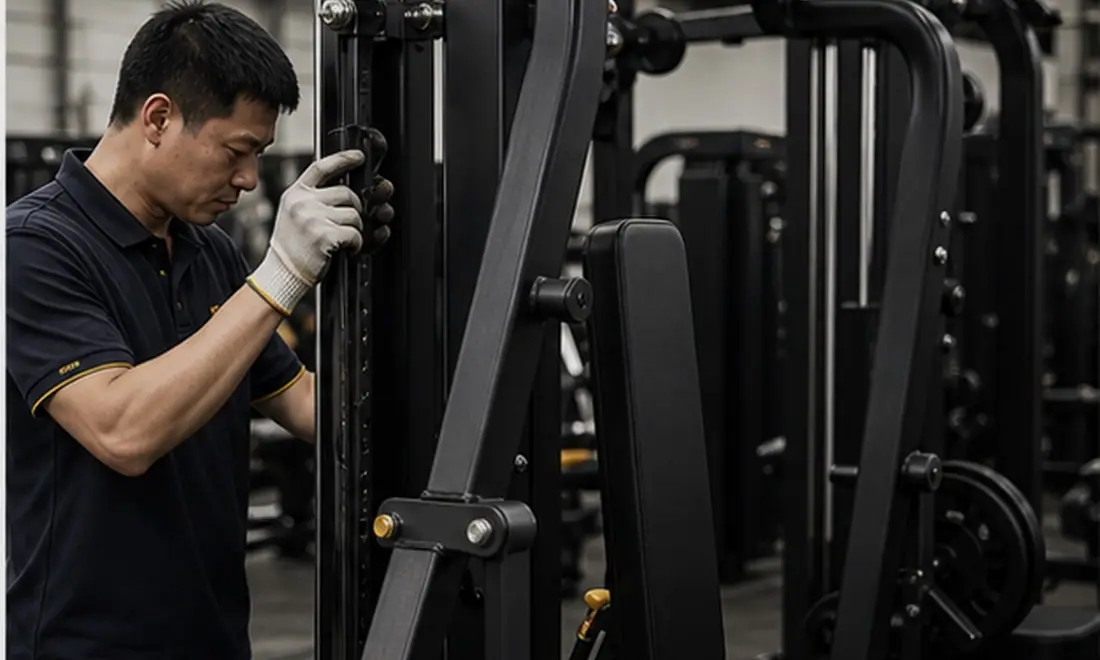
Commercial equipment must handle repeated use. Buyers should ask about frame material, tube thickness, welding quality, moving parts, bearings, cables, pulleys, pads, upholstery, weight stack movement, powder coating and hardware. These details are not exciting, but they decide long-term performance.
For a product example, review the plate loaded row machine. A good product page should include specifications, training purpose, loading style, frame details, OEM options and quality control notes. If a supplier cannot provide basic specifications, the buyer may face problems during installation, maintenance or resale.
Ask how the manufacturer tests function before packing. Strength machines should move smoothly. Cardio machines should be checked for console and power function. Benches and racks should be checked for stability and load capacity. Free weights should be checked for finish, handle security and labeling.
Confirm OEM and ODM Support Early
Many overseas buyers need custom logo, frame color, upholstery, packaging or private-label product support. A reliable manufacturer should explain which customization options are available and what information is required. WDER's OEM/private label service focuses on product selection, logo placement, color confirmation, packaging and export support.
Buyers should prepare vector logo files, color references, product list, quantity, target market and packaging needs. If special handles, accents or instructions are required, mention them early. ODM or product development work requires even more detail, including dimensions, movement expectations, user profile and sample feedback.
Do not treat OEM as a last-minute request. Reliable branding depends on clear confirmation before production.
Compare Quotations With the Same Assumptions
A low price can hide missing details. When comparing manufacturers, make sure each quotation includes the same models, quantity, materials, customization, packing method, lead time and trade terms. If one quote is much lower, ask what is included and what is not.
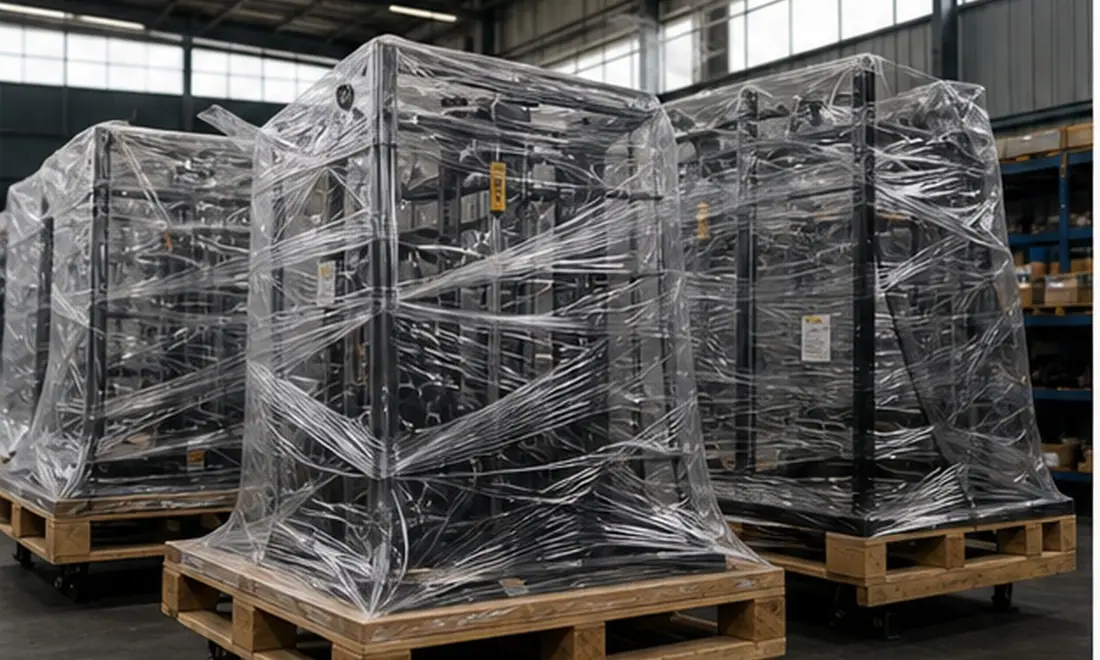
For commercial gym equipment, packing and shipment preparation can affect cost and risk. A factory-direct price is useful only if the equipment arrives in good condition and matches the confirmed specification. Ask about packing marks, carton labels, hardware packaging, spare parts and container loading photos.
A reliable manufacturer should also tell you what information is missing from your inquiry. If the supplier gives a price without asking quantity, destination, OEM details or product scope, the quotation may not be reliable.
Confirm Quality Control and Shipment Proof
Quality control should happen before shipment, not after complaints. Ask the manufacturer what is checked during production and before packing. Useful checks include material inspection, welding inspection, assembly review, movement testing, appearance inspection, hardware confirmation and packing review.
For first orders, request photos or videos before shipment. Ask for product labels, packed goods, container loading and any important details. This does not replace trust, but it gives both sides a record. For distributors, documented QC helps protect local customer relationships.
The commercial gym equipment shipping guide can help buyers understand export packing and loading questions. A reliable manufacturer should be comfortable discussing these details.
Look for Project and Export Experience
A manufacturer with export experience understands more than production. It knows that overseas buyers need clear communication, packing, documentation, lead time control and installation support. Case studies are useful because they show how equipment is applied in real gyms. Review WDER's case studies to understand project types, country examples and equipment zones.
Project experience also helps with product recommendations. A supplier who has worked with gyms, hotels, distributors and private-label brands can ask better questions. It can help buyers avoid incomplete equipment lists, crowded layouts and weak product mixes.
Red Flags When Choosing a Manufacturer
Be careful if a supplier avoids factory questions, cannot explain specifications, gives only vague answers, refuses packing details, pushes deposit before product confirmation, changes model information repeatedly, or cannot discuss after-sales support. Also be careful if every product is described with the same exaggerated claims.
Reliable manufacturers communicate clearly. They ask for your target market, product list, quantity, destination country and customization needs. They confirm details before production and provide realistic next steps.
Manufacturer Evaluation Scorecard
A simple scorecard can make supplier comparison easier. Give each manufacturer a score for product range, commercial durability, factory transparency, OEM support, quality control, packing process, export experience, communication speed and after-sales support. Do not let one low price cancel out serious weaknesses in these areas.
For product range, check whether the supplier can support the categories your buyers actually need. For durability, review frame details, moving parts and user scenarios. For factory transparency, ask whether the supplier can show production, testing and packing. For OEM support, check whether logo, color, upholstery and packaging details are confirmed in writing. For export experience, ask how they prepare labels, packing lists and container loading.
The scorecard should also include buyer fit. A manufacturer may be good but still not right for your business. A small hotel gym buyer needs compact planning and easy maintenance. A distributor needs repeatable product lines and private-label consistency. A fitness chain needs reliable lead time and project communication. A bodybuilding gym owner may care more about plate loaded machines and heavy free-weight zones.
Use the scorecard before paying a deposit. If two suppliers are close in price, choose the one that gives clearer answers, more realistic timelines and better proof. Reliable communication before the order usually predicts smoother communication during production and shipment.
What Reliable Manufacturers Ask You
Good manufacturers ask questions too. They may ask about target users, gym size, product categories, expected quantity, destination country, color requirements, logo files, preferred shipping terms and installation conditions. This is not a delay; it is how the supplier prevents mistakes. A factory that asks nothing may be preparing a quote that is too generic to trust.
For overseas buyers, this consultation stage is also a trust signal. A manufacturer that explains trade-offs, checks unclear information and warns about packing or installation risks is usually more valuable than one that only replies with a price list. The best supplier conversations make the buyer more confident about the order before production begins.
That confidence is often what turns supplier research into a real inquiry.
FAQ
What is the most important factor when choosing a gym equipment manufacturer?
The most important factor is whether the manufacturer can consistently deliver commercial-grade products that match confirmed specifications, with clear communication, quality control and export packing.
Should I choose the cheapest manufacturer?
Not necessarily. The cheapest quote may exclude important details such as packing, customization, spare parts or quality control. Compare total risk and landed value.
How can I verify factory capability remotely?
Ask for factory photos, videos, production process details, certificates, product testing references, packing photos and case studies. A video factory tour can also help.
Can a manufacturer help with product selection?
A serious manufacturer should help match product categories to gym type, target users, floor size and buyer role. WDER supports this through gym solution and product recommendation communication.
What should I send before asking for a quote?
Send product categories, models if available, quantity, destination country, buyer type, OEM requirements, color preferences and project details.
Suggested CTA
Looking for a reliable gym equipment manufacturer? Send your product list, target market, quantity, destination country and customization requirements through the WDER inquiry form. WDER will help review product options, factory support, OEM details and export packing.
Schema Markup Suggestion
Use Article schema, FAQPage schema and BreadcrumbList schema. Link to the homepage, factory page, OEM page, product catalog, case studies and contact page.