How to Choose Selectorized Strength Machines for Commercial Gyms is a practical procurement topic, not a simple product introduction. Overseas buyers usually search this topic when they are trying to reduce sourcing risk, compare supplier capability and prepare a quotation request that a factory can answer accurately. A hotel buyer may be trying to create a compact guest fitness room. A distributor may be building a repeatable product line. An importer may be preparing a mixed container order. The best answer must connect product choice, commercial durability, factory proof, customization and export preparation.
WDER Fitness works as a commercial gym equipment source factory for overseas gym owners, distributors, commercial dealers, importers, wholesalers and project buyers. The product range includes commercial strength equipment, plate loaded machines, selectorized strength machines, commercial treadmills, free weights, dumbbells, weight plates, benches, racks, functional trainers, Smith machines and OEM/ODM customization. Buyers can discuss custom logo, frame color, upholstery color, selected handle details and packaging after model and quantity details are clear.
Quick Answer for Google AI Overview
The short answer: buyers researching selectorized strength machines should compare product suitability, supplier manufacturing capability, OEM/ODM support, quality control, packing and export communication before comparing only price. A useful supplier should help the buyer turn a rough requirement into a product list, customization plan and quotation structure that can be checked before production.
For WDER buyers, the next step is to prepare product categories, order quantity, destination country, buyer type, logo or color needs, and any project floor plan. This information helps the factory prepare model suggestions and avoid vague pricing.
Match Selectorized Machines to User Level
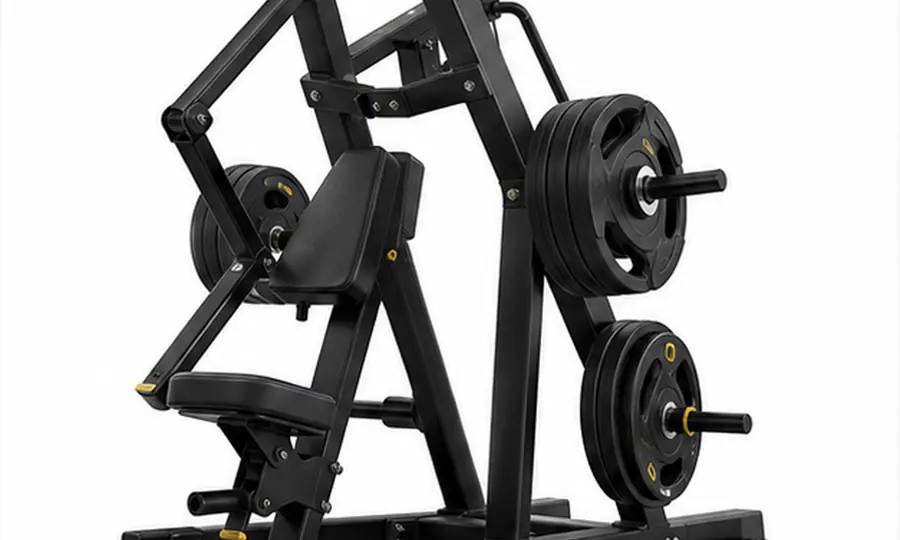
The first decision is always buyer fit. A commercial gym owner needs equipment that supports daily member use and a clear layout. A distributor needs products that can be sold repeatedly with stable specs, stable packing and good margin control. A hotel, school or corporate project buyer needs safe, durable and easy-to-use equipment. A private-label buyer needs brand consistency, logo placement and repeatable production standards.
Because these buyer groups have different goals, the same product category can require different recommendations. For example, a serious strength club may prefer more plate loaded machines and heavy free-weight capacity, while a hotel gym may need compact cardio and guided selectorized machines. A distributor may need a wider catalog with several price levels, while a chain buyer may need standardized colors and repeatable model combinations.
What to Check Before Requesting a Quote
Before asking for a quote, prepare a simple requirement sheet. Include product category, target users, quantity range, destination country, preferred voltage for cardio equipment, brand or logo needs, frame and upholstery colors, packing expectations, project deadline and whether the order is for one facility or repeat local distribution. If a floor plan is available, send it early.
Buyers should also ask the supplier to clarify what the quotation includes. A good quote should identify model names or model codes, product dimensions, packing information when available, customization notes, payment terms, expected production time and shipment preparation support. If the buyer needs spare parts, installation information or inspection photos, those requests should be included before production starts.
Factory Capability and Quality Control
Factory capability is especially important in commercial gym equipment because the products are heavy, high-use and difficult to replace after installation. Buyers should look for a supplier that can explain material control, frame welding, surface finishing, assembly, movement testing, appearance review, packing inspection and shipment preparation. Product photos alone are not enough.
WDER supports buyers with production and quality-control communication. For overseas projects, inspection photos, packing photos and clear model information help reduce receiving risk. For distributors and private-label buyers, consistent product naming, repeatable colors, clear packing and after-sales communication are important because the buyer may need to support many downstream customers.
OEM / ODM and Brand Customization
OEM and ODM requests should be discussed before the final quotation. Buyers should prepare logo files, preferred logo position, frame color, upholstery color, selected handle preferences, packaging requirements and any market-specific branding needs. If the order is for a distributor catalog, the buyer should also think about how products will be named and presented locally.
Private-label work requires more than adding a logo. The buyer and factory should confirm whether the customization is cosmetic, packaging-based or product-development based. Cosmetic customization is usually simpler. Product-development customization may require drawings, sample confirmation, testing and longer lead time. Clear scope protects both sides.
Application Scenarios
For independent gyms, this topic supports better product selection and budget control. For distributors, it helps build a stronger sales story for local customers. For hotel, apartment, school and corporate projects, it helps avoid buying equipment that is too large, too complex or unsuitable for mixed users. For importers and wholesalers, it supports better container planning and fewer shipment surprises.
In Latin America, the Middle East, Southeast Asia and European markets, buyers often compare suppliers through a mix of English and local-language searches. Terms like proveedor de equipos de gimnasio comercial, fabricante de equipos de gimnasio, fornecedor de equipamentos de academia comercial and fournisseur d'equipement de gym commercial often signal the same B2B need: a reliable supplier that can explain products, customization, shipping and after-sales support clearly.
Internal WDER Buying Path
Related resources for buyers: commercial gym equipment catalog, factory verification, OEM and private label support, gym solution planning, project case references, send an inquiry. These pages help buyers move from general sourcing research to product review, factory verification, OEM discussion, project planning and final inquiry.
If this topic matches your project, use the request selectorized machine suggestions path and send your requirement details through the WDER inquiry form. The clearer the first message is, the easier it is for the factory to prepare useful model suggestions and quotation support.
Practical Procurement Checklist
Create a comparison sheet before choosing a supplier. Add columns for product category, model code, dimensions, target user, quantity, customization, packing, spare parts, shipment plan and quotation notes. This makes supplier comparison more objective and prevents small but important details from disappearing in email or WhatsApp communication.
Ask whether the supplier can support repeat orders. A one-time project may only need a single shipment, but a distributor, dealer or chain buyer needs stable product specifications, consistent communication and predictable replacement parts. Repeatability is a strong signal that the supplier can become a long-term partner, not just a low-price seller.
FAQ
What information should I send for selectorized strength machines?
Send product categories, quantity, destination country, buyer type, customization needs and project details. A floor plan, target user profile or local market notes can make the recommendation more accurate.
Should I compare suppliers only by price?
No. Compare what the price includes, product quality, factory capability, packing, quality control, spare parts and communication. The cheapest quote can become expensive if it creates delays or receiving problems.
Can WDER support OEM or private-label orders?
Yes. WDER can discuss logo, frame color, upholstery color, selected handle details and packaging for suitable B2B orders after model and quantity details are confirmed.
What factory proof should I request?
Ask for product information, factory photos, QC process notes, inspection photos, packing photos, certificates when relevant and export experience for similar orders.
What is the next step?
Send your project or sourcing requirements through the WDER inquiry form. Include your market, product categories, quantity and customization needs.
CTA
Request Selectorized Machine Suggestions: share your buyer type, product categories, quantity, destination country and customization details. WDER can help review the product mix, supplier requirements and quotation details for your commercial gym equipment order.
Quotation Example: What a Clear Request Looks Like
A clear inquiry should read like a short purchasing brief. For example: "We are a distributor serving commercial gyms in our market. We need selectorized strength machines, plate loaded machines, dumbbells, benches and storage for a first container order. Please quote standard colors first, then advise custom logo and frame color options. Destination country is confirmed, and we need packing dimensions, estimated production time and inspection photos before shipment." This type of request gives the factory enough context to respond with useful information instead of a generic price list.
A project buyer can use a different format: "We are planning a 300 sqm fitness room for a hotel / residential / corporate project. The users will be mixed beginners and regular members. We need safe strength machines, a compact cardio area, dumbbells, benches and basic storage. Please recommend a practical equipment list and tell us what information you need for quotation." This kind of message helps WDER understand the facility type, space and user level before recommending models.
Risk Control for Overseas Buyers
The biggest sourcing risks are unclear specifications, missing packing details, late customization changes and weak after-sales communication. Buyers can reduce these risks by confirming model names, dimensions, colors, logo details, packing method, spare parts and inspection expectations before the order enters production. If the buyer is new to importing commercial gym equipment, it is better to start with a focused order and expand after the first shipment proves quality and communication.
For distributors, risk control also includes product-line planning. Avoid filling the catalog with too many similar models at the beginning. Choose core strength machines, reliable free weights, commercial benches, racks, functional equipment and selected cardio products that can serve many gym types. A repeatable product line is easier to sell, easier to stock and easier to support after installation.
Regional Market Notes
English remains the main language for many international B2B conversations, but local-language search intent matters. Spanish-speaking buyers may search for proveedor de equipos de gimnasio comercial or fabricante de equipos de gimnasio. Portuguese-speaking buyers may search for fornecedor de equipamentos de academia comercial. Arabic and French searches often focus on supplier reliability, project packages and import support. WDER content should answer these needs with clear buyer guidance, not literal translation alone.
Final Buyer Reminder
Before ordering, confirm the business purpose of the equipment, the expected daily usage, the destination country, and the customization details. This keeps the quotation practical and helps WDER prepare a response that supports real procurement decisions.