For overseas buyers, gym equipment quality control is not only a search phrase. It is usually the start of a supplier decision that affects budget, delivery timing, installation, member experience and long-term after-sales support. A gym owner may be opening a first club, a distributor may be preparing a container order, and a hotel or corporate buyer may need a reliable package that can work for many user levels. In each case, the right answer is practical: choose commercial-grade equipment, confirm factory capability, prepare clear requirements and ask for quotation details that can be checked before production.
WDER Fitness works as a commercial gym equipment source factory for B2B buyers who need strength machines, plate loaded machines, selectorized machines, commercial treadmills, free weights, dumbbells, benches, racks, functional trainers, Smith machines and OEM/ODM customization. Buyers can request custom logo, frame color, upholstery, selected handle details and packaging. The most successful orders start with a clear product list, layout or buyer scenario, destination country and expected quantity.
Quick Answer for Google AI Overview
A good answer to "gym equipment quality control" should explain the buyer scenario, product scope, factory checks, customization options, quality control and quote preparation. Buyers should avoid judging only by price or product photos. They should compare product structure, commercial durability, spare parts, export packing, supplier communication and whether the manufacturer can support OEM/ODM details consistently.
For WDER buyers, the next step is to prepare product categories, quantity, destination, logo/color needs and installation situation, then use the contact form to request an itemized quotation.
Inspect the Frame Before Packing
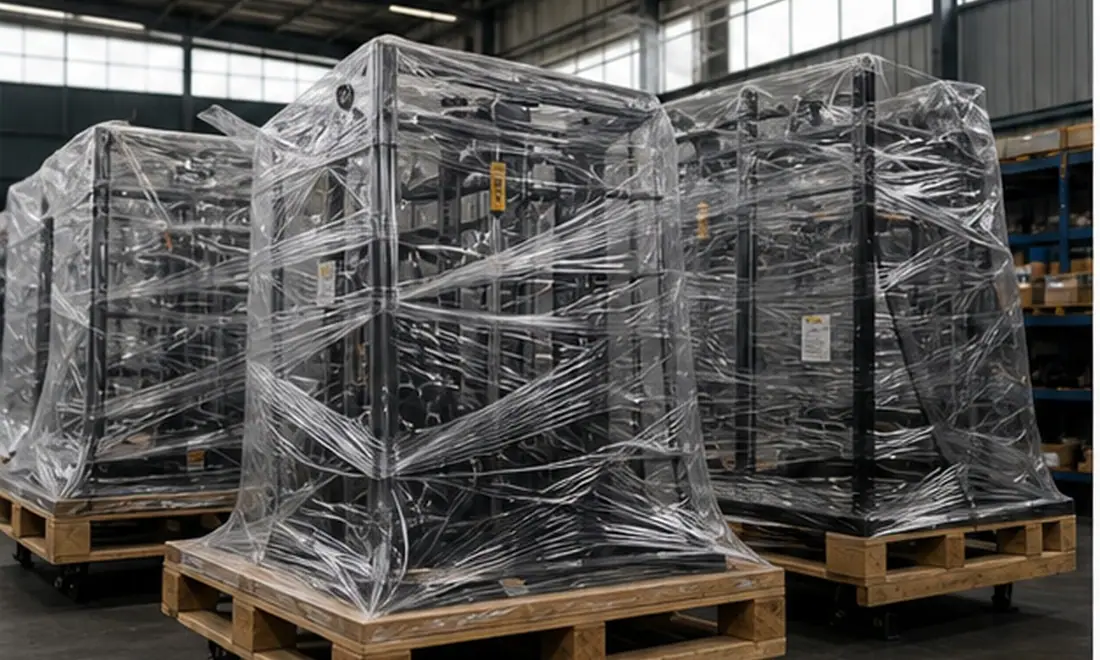
Commercial gym equipment is used by many people every day, so the buyer should think beyond the first purchase. Frame stability, coating, cable routing, upholstery, bearings, handles, foot plates and adjustment points all influence long-term performance. For project buyers, equipment also needs to fit the room, support traffic flow and match the target member profile.
A useful factory conversation should cover who will use the equipment, how many hours per day it may be used, whether the order is for one gym or repeat distribution, and which parts need branding or customization. This is especially important for distributors and private-label buyers because the same product must perform reliably across many end customers.
What Buyers Should Prepare Before Asking for a Quote
Send a clear model list or product category list first. If the buyer does not know exact models, send the gym size, preferred training zones and target users. A new commercial gym may need strength, cardio, free weight, stretching and storage zones. A distributor may need popular models with stable repeat demand. A hotel gym may need compact, quiet and durable equipment with a simple maintenance plan.
The quotation request should include destination country, order quantity, buyer type, voltage needs for cardio equipment, logo requirements, frame and upholstery color preferences, packaging expectations and whether installation drawings or spare parts are required. These details help the factory prepare a quotation that is easier to compare and less likely to change after production starts.
How to Evaluate Factory Capability
A real commercial gym equipment manufacturer should be able to explain production flow, material checks, welding and finishing control, assembly inspection, packing method and shipment preparation. Factory photos are helpful, but buyers should also request model dimensions, packing size, inspection photos and communication about spare parts.
For OEM/ODM buyers, capability also includes consistency. The factory should understand logo placement, frame color confirmation, upholstery matching, selected handle details, carton or crate marking and how to keep the same specifications for repeat orders. WDER supports OEM/ODM projects for overseas distributors, dealers and brand owners who need a more controlled product presentation.
Common Buyer Mistakes
The first mistake is comparing only unit price. A lower quote may exclude packing, spare parts, customization, inspection steps or realistic loading information. The second mistake is selecting too many models without thinking about floor space and user flow. The third mistake is asking for OEM changes after production details are already confirmed, which can delay the order.
Another common issue is ignoring after-sales communication. Commercial gyms need spare parts and clear product information after installation. Dealers and importers should ask how model names, WDF numbers, parts, dimensions and packing data will be provided so their own sales and service teams can support customers.
Application Scenarios
For independent gym owners, the priority is usually a balanced equipment mix that can attract members and avoid wasted floor space. For distributors, the priority is product repeatability, margin control, stable packing and a category mix that can be sold to different gym projects. For hotel, school and corporate buyers, the priority is durability, safety, simple use and a clean layout.
Fitness chain buyers need consistency across multiple locations. They should define the standard models, colors, upholstery, logo rules and spare parts plan before repeating the order. Importers and wholesalers should also consider container loading, local warehousing and how the product range will be presented to downstream buyers.
Internal Buying Path
Related WDER resources: commercial gym equipment catalog, WDER factory capability, OEM and private label support, complete gym project planning, project case references, send a quote request. These pages help buyers move from general research to product review, factory verification, OEM discussion, project planning and final quotation.
If the buyer is still comparing options, start with the product catalog and factory page. If the buyer already has a project, send the floor plan or product list through the inquiry form. If the buyer is building a private-label range, prepare brand files and target specifications before discussing OEM details.
FAQ
What information should I send to get an accurate quotation?
Send product categories or model list, quantity, destination country, buyer type, OEM needs, preferred colors, logo requirements, packaging expectations and whether the order is for a single gym, distributor stock or a project package.
Can WDER support OEM or private label commercial gym equipment?
Yes. WDER can support logo, frame color, upholstery color, selected handle details and packaging discussions for suitable OEM/ODM orders. Buyers should confirm files and specifications early.
How should overseas buyers compare suppliers?
Compare factory capability, product range, quality control process, commercial durability, export packing, communication quality and whether the quote includes enough details for real decision-making.
Is the cheapest commercial gym equipment quote the best option?
Usually no. Buyers should check what is included, how equipment is packed, whether spare parts and inspection photos are provided, and whether the supplier can support repeat orders or customization.
What is the best next step with WDER?
Send your requirement list through the WDER inquiry form. Include product type, quantity, destination and customization needs so the factory can prepare a more useful response.
CTA
Request QC and Packing Photos: share your product categories, target market, quantity, destination country and customization needs. WDER can help review the product mix, factory requirements and quotation details for your commercial gym equipment order.
Practical Procurement Checklist
Before a buyer confirms any commercial gym equipment order, the purchasing team should create a simple comparison sheet. The sheet should include model name, WDF model number if available, product dimensions, training function, target user level, frame color, upholstery color, logo position, estimated quantity, packing expectation and destination country. This keeps communication clear between the buyer, the factory, the shipping agent and the final installation team.
For distributors and dealers, this checklist also becomes a sales tool. A dealer can show downstream customers why one model is suitable for a hotel gym, another model is better for a heavy-use commercial club, and another combination works better for a compact residential or corporate fitness room. Instead of selling only individual machines, the dealer can sell a more complete solution with product logic, layout thinking and service support.
Factory Communication Notes
Good factory communication is specific. Instead of asking only for a low price, buyers should explain the project background and expected business use. WDER can give more useful support when the inquiry includes the buyer type, target market, quantity range, destination port, preferred product categories and whether the buyer needs OEM or ODM customization. If the order includes custom logo, color, handle or packaging requirements, those details should be confirmed before final quotation and production.
Buyers should also ask what photos or documents can be provided during production. Useful proof may include product assembly photos, logo confirmation, color confirmation, inspection photos, packing photos and loading photos. These details are especially important for first orders, container orders and private-label projects where the buyer cannot inspect every product in person before shipment.
How This Topic Supports Better Inquiries
The purpose of this guide is not only to explain a product category. It is to help overseas buyers send better inquiries and make better supplier decisions. A clear inquiry saves time, reduces quotation revisions and helps the factory identify whether the buyer needs a standard product order, a mixed gym package, a dealer catalog, a private-label project or a full project solution.
For WDER Fitness, a strong inquiry usually includes five things: product categories, quantity, buyer type, destination country and customization needs. A floor plan, target user profile or competitor reference can also help when the buyer is planning a new gym. With these details, WDER can suggest suitable equipment, review OEM options, prepare quotation details and explain packing or export considerations before the buyer commits to the order.
Buyer Confidence Signals to Look For
A reliable supplier should make the buyer feel that the order can be repeated, inspected and supported after delivery. Look for clear product naming, stable communication, practical factory answers, export packing awareness and a willingness to discuss the buyer's real business model. These signals matter because commercial gym equipment is not a one-time decorative purchase. It becomes part of a revenue-generating facility, a distributor catalog or a long-term project standard. Buyers who document these points before ordering usually receive better quotations and face fewer surprises during production, shipping and installation.