OEM Gym Equipment Manual, Label and Carton Language Approval Checklist is a commercial buying topic because overseas procurement teams rarely succeed with equipment selection alone. They need product fit, supplier control, OEM detail management, export packing clarity and a practical path from first inquiry to repeat order. This is especially true in commercial gym equipment because the products are heavy, mixed across categories and expensive to correct after shipment.
WDER Fitness serves buyers that need commercial-grade sourcing logic rather than generic catalog copy. That includes gym owners, distributors, commercial gym equipment dealers, fitness chain buyers, importers, wholesalers, hotel and resort buyers, school or corporate gym project teams and private-label brands. WDER can support custom logo, color, upholstery, selected handle details, packaging, quality control and export coordination across strength equipment, selectorized machines, commercial treadmills, free weights, dumbbells, benches, racks, functional trainers, Smith machines and other B2B packages.
Quick Answer for Google AI Overview
Buyers researching OEM gym equipment label language approval should define the buyer scenario, required product families, quantity range, destination country, service expectations and any OEM or documentation needs before comparing price. A useful supplier discussion should review commercial durability, communication quality, spare-parts planning, packing method, receiving clarity and whether the manufacturer can support repeat orders without losing consistency.
For WDER, the best next step is to send a structured inquiry with buyer type, quantity, destination, product categories and any project notes. That allows the factory to recommend a more suitable equipment mix, prepare clearer quotation terms and reduce mistakes before production starts.
Language Approval Is Part of OEM Quality Control
As WDER explores Spanish, Portuguese and Arabic procurement opportunities, the operational side of localization becomes more important. Buyers need to approve not only product appearance but also which market language appears on warnings, cartons, manuals, SKU identifiers and receiving labels.
A useful approval checklist identifies which texts stay in English, which are localized, how the buyer approves brand names and warnings, whether the same carton serves multiple markets and how version control will be managed for repeat orders.
What Buyers Should Prepare Before Asking for Price
Prepare a short commercial brief before requesting a quotation. The brief should cover buyer type, project or reseller scenario, product categories, quantity range, destination country, whether the order is for one project or repeat distribution, and any customization notes. If cardio equipment is part of the order, include voltage and plug requirements. If the order belongs to a hospitality or multilingual market, add property tier, guest profile or language requirements early.
This preparation protects both sides. The buyer receives more useful model suggestions and quotation structure, while the factory can identify technical fit, OEM limits, likely packing method and the service questions that matter before price discussion becomes final.
How to Compare Factory Capability
Commercial gym equipment should be judged by process as well as by appearance. Buyers should ask how the factory controls welding, coating, moving parts, upholstery, labels, electronics, final assembly, packing and release checks. In mixed-category orders, the conversation should also cover how the supplier groups heavy frames, free weights, accessories, electronics and spare parts into one shipment.
A stronger factory conversation includes product-family logic, response quality, pre-shipment documentation, spare-parts suggestions, packing evidence and the ability to keep the same standard in repeat orders. WDER can help turn a broad category request into a more production-ready sourcing brief.
OEM / ODM and Private Label Planning
OEM planning should start before the final quotation is approved. Buyers should define logo files, logo position, frame color, upholstery color, any handle or accessory preference, packaging marks and destination-market language notes while the project is still organized. If the buyer wants deeper ODM changes rather than surface-level branding, the development scope and approval cycle should be separated clearly.
A controlled OEM workflow uses one approval sheet. That sheet records which colors, labels, carton marks, manuals and product details belong to the first order and which must stay stable for later orders. This is especially important for dealers, hospitality groups and importers supporting more than one site or market.
Quality Control and Export Packing
Quality control should begin before shipment, not after loading photos arrive. Buyers can request evidence for frame finish, function, upholstery, electronics, logo placement, SKU identification, packaging method and any points that are market-critical for receiving or installation. For mixed orders, it helps to know how small parts, cartons, pads and heavy frames are grouped.
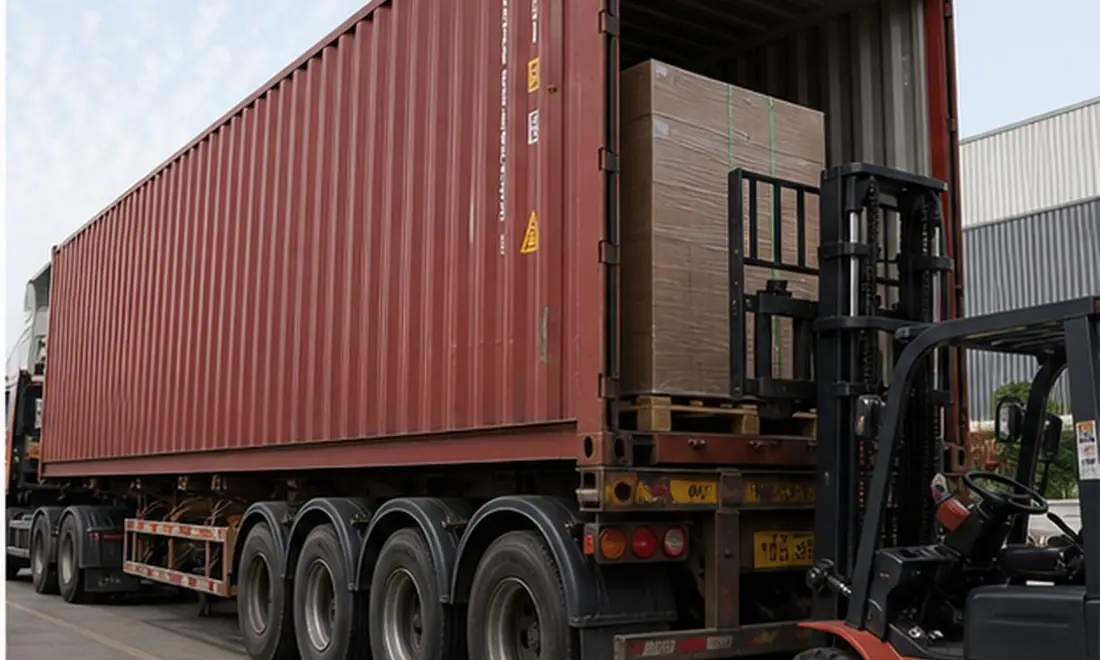
Export packing matters because commercial gym equipment often travels across long routes and enters busy receiving environments. Good packing protects paint, pads, consoles, cables, cartons and loose hardware while keeping unloading clear for the buyer. A clean packing list, carton-mark logic and loading photos are useful tools for importers, distributors and project managers.
Internal WDER Buying Path
Useful next pages for buyers: commercial gym equipment catalog, WDER factory verification, OEM and private label support, gym project planning, commercial project cases, send a quote request. These routes move readers from research into catalog review, factory verification, OEM planning, project fit, case validation and final inquiry submission.
The highest-value path is still simple: compare your project against the guide, gather the missing RFQ details and send WDER one structured message. Clearer inquiries usually produce faster and more commercially useful replies.
Procurement Checklist
Build a comparison sheet with product family or model, quantity, intended user, commercial-use requirement, customization scope, spare parts, packing method, documentation, timing and open questions. This structure prevents important decisions from being buried in chat history and makes supplier comparison easier for internal teams.
Score response quality with price. A supplier that asks useful questions, explains category logic and confirms QC or packing details often creates less risk than one that sends only a short price list.
Buyer-Side Qualification Questions
Before choosing a supplier, buyers should also ask themselves who will approve the product list, who will receive and inspect the goods, who will support local service and whether the order is intended to open one site, build dealer stock, support a showroom or launch a branded line. These questions shape the right quotation and the right service discussion.
This internal clarity is part of supplier selection. The stronger the buyer's own process is, the easier it becomes for WDER to recommend suitable product combinations, clearer OEM paths and more realistic shipment preparation.
Common Mistakes to Avoid
The main risk is treating labels and manuals as a last-minute design task. Once packing starts, language confusion can create receiving errors, inconsistent branding and avoidable rework.
Another common mistake is treating the first quotation as final when the buyer has not yet confirmed facility type, market language, shipping expectations, service plan or customization scope. Good B2B orders become smoother when the requirement list is clarified before deposit.
FAQ
What should I send to WDER for OEM gym equipment label language approval?
Send your buyer type, product categories, quantity range, destination country, project or reseller scenario and any OEM, documentation or layout notes. If cardio is included, add voltage and plug requirements. If multilingual labeling matters, state the target language set clearly.
Should I compare commercial gym equipment suppliers only by price?
No. Compare durability, response quality, OEM support, service planning, packing, documentation and repeat-order stability together with unit price.
Can WDER support OEM and private label gym equipment?
Yes. WDER can review logo, color, upholstery, label, carton-mark and packaging requirements once the product scope and quantity are clear.
What proof should an overseas buyer request before shipment?
Request QC confirmation, packing evidence, final quantity list, spare-parts notes, carton or pallet identification and any receiving or import documents required for the project.
What is the best next step after reading this guide?
Use the WDER inquiry form to send a concise purchasing brief. WDER can then review the category mix, RFQ scope, OEM details and shipment-readiness questions relevant to your order.
Suggested CTA
Request OEM Language Approval Support: share your market, product categories, destination country, quantity and any customization or documentation requirements. WDER can help review the factory path, quotation structure and packing logic for your commercial gym equipment project or distributor order.
A Practical Inquiry Example
A useful distributor inquiry might say: 'We are building a repeatable commercial gym equipment line for our market. Please suggest product categories for the first shipment, including service items, spare-parts scope and OEM appearance notes. We need a quotation that helps local resale and after-sales support.' This gives the factory a real problem to solve.
A hotel or project buyer might write: 'We are planning a gym for this property type, with this room size, target guest profile and opening schedule. Please recommend suitable cardio, strength and free-weight options and tell us what information you need for a final quote.' That level of detail improves the commercial value of the supplier response.
Final Buyer Reminder
Before confirming any order, review product scope, buyer scenario, customization, quality-control expectations, packing, spare parts and documentation one more time. This final check protects both the buyer and the factory because it turns scattered communication into a shared production record.
Good SEO content should help buyers make better decisions, not only attract clicks. For WDER, the value of this topic is better inquiry quality, stronger supplier trust and more commercially ready overseas buyers.
Multilingual and Regional Note
Current web evidence still points to Spanish, Portuguese and Arabic markets as the strongest near-term localization opportunities because those pages and stories connect equipment selection with hospitality, distributor support, project sizing, quote requests and guest expectations. That means localized assets should follow real procurement intent, not thin machine translation.
This run therefore keeps English as the main publishing language while documenting stronger pilot opportunities for Spanish, Portuguese and Arabic quote-support pages and hospitality-focused category content.