Introduction
Choosing between plate loaded and selectorized strength equipment is one of the first decisions a commercial gym buyer needs to make. Both machine types can support serious strength training, but they serve different users, different business models and different floor plans. A gym designed for experienced lifters may need a strong plate loaded area. A hotel gym, school gym or beginner-friendly fitness club may need more selectorized machines because they are easy to adjust and safer for unsupervised use.
For importers, distributors and gym project buyers, this decision also affects shipping volume, spare parts planning, customer support, assembly preparation and long-term maintenance. A plate loaded row machine, for example, has a different buyer expectation from a selectorized seated row machine. The training motion may be similar, but the loading system, frame design, user experience and after-sales needs are not the same.
This guide explains the practical differences between plate loaded and selectorized commercial strength machines. It is written for buyers who need to evaluate equipment for real commercial environments, not only for brochure comparison. We will cover applications, user profiles, space planning, product testing, maintenance, shipment inspection and questions to ask before requesting a quotation.
Quick Answer: What Is the Main Difference?
Plate loaded strength equipment uses weight plates as resistance. The user adds or removes plates on loading horns. Selectorized strength equipment uses a built-in weight stack. The user adjusts resistance by moving a pin.
In simple terms:
- Plate loaded machines are often preferred by serious lifters, strength-focused gyms and facilities that want a more free-weight feeling.
- Selectorized machines are often preferred by general fitness clubs, hotels, corporate gyms, rehabilitation-friendly areas and beginner-focused environments.
Neither type is automatically better. The right choice depends on your customer profile, floor space, training purpose, budget, maintenance capability and brand positioning.
What Is Plate Loaded Strength Equipment?
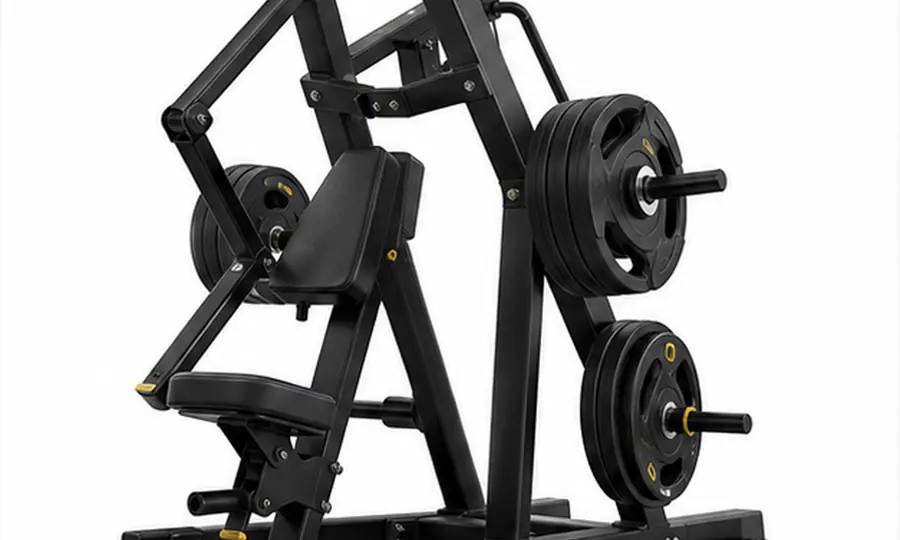
Plate loaded strength equipment is designed to work with Olympic weight plates or standard plates, depending on the machine specification. Common examples include plate loaded row machines, chest press machines, shoulder press machines, leg press machines, hack squat machines and iso-lateral training machines.
The core advantage is that users can load resistance flexibly. Experienced gym members often like the direct feeling of adding plates and seeing the load. Many plate loaded machines also use independent arms, converging movement paths or unilateral training designs. This makes them attractive for strength gyms and performance training centers.
From a manufacturing perspective, plate loaded machines usually require strong frame construction, accurate welding, stable pivot points, durable handles, comfortable pads and reliable powder coating. During factory testing, the manufacturer should check movement smoothness, frame balance, handle alignment, loading horn strength, bearing performance and packaging protection before shipment.
For B2B buyers, plate loaded equipment can be a strong product line because it looks powerful on the gym floor and often has fewer complex internal weight stack components. However, it requires enough free plates, organized storage and user education.
What Is Selectorized Strength Equipment?
Selectorized strength equipment uses a built-in weight stack system. Users choose resistance by inserting a pin into the desired weight level. Common examples include selectorized chest press, lat pulldown, seated row, leg extension, leg curl, shoulder press and abductor/adductor machines.
The biggest advantage is usability. A new member can sit down, read the adjustment label, move the pin and start training without loading plates. This can improve user confidence, especially in commercial gyms with many beginners. It also helps facilities where staff supervision is limited.
Selectorized machines require careful attention to cables, pulleys, guide rods, weight stack plates, shrouds, pin design and adjustment mechanisms. During shipment inspection, a supplier should check that the cable system moves smoothly, the weight stack is protected, the guide rods are straight and the packaging prevents paint damage or part loss.
Selectorized equipment is often more complex than plate loaded equipment. The buyer should ask about spare parts, cable replacement, pulley specifications and assembly instructions before placing an order.
Plate Loaded vs Selectorized: Comparison Table
| Factor | Plate Loaded Machines | Selectorized Machines |
|---|---|---|
| Resistance system | External plates | Built-in weight stack |
| Best for | Strength gyms, experienced lifters, performance training | General fitness clubs, hotels, schools, beginner users |
| User adjustment | Add or remove plates | Move a selector pin |
| Training feeling | More direct and heavy-duty | Controlled and easy to use |
| Maintenance | Fewer cable/stack parts, but pads and pivots still matter | More cable, pulley and stack maintenance |
| Space needs | Needs plate storage nearby | Usually self-contained |
| Shipping | May be simpler per machine, but plates add weight | Weight stacks increase shipment weight |
| Visual impact | Strong, athletic, serious | Clean, organized, easy for beginners |
| Buyer concern | Loading capacity, frame strength, movement path | Cable system, weight stack quality, adjustment safety |
Which Type Is Better for Different Gym Scenarios?
Strength-Focused Commercial Gyms
If the gym targets experienced lifters, athletes or bodybuilding users, plate loaded machines are often a strong choice. Users in this environment usually understand loading plates, changing resistance and training with heavier loads. A plate loaded row machine, chest press and leg press can become important anchor products in the strength area.
However, a strength-focused gym should still include some selectorized machines for accessory training, warm-up and users who prefer controlled movement. A balanced strength floor usually combines both.
General Fitness Clubs
For a broad commercial fitness club, selectorized machines are often easier for new members. They reduce the learning barrier and make it possible for more people to train safely. The gym can still add plate loaded machines in a dedicated strength zone to attract advanced users.
If your target customer is a club owner, offering a mixed package may improve the sales conversation. Instead of asking "which one is better," ask what percentage of users are beginners, intermediate members and advanced lifters.
Hotel, Apartment and Corporate Gyms
Selectorized equipment is usually more suitable for these environments because users may train without coaching. Clear adjustment, enclosed weight stacks and simple resistance changes are valuable. Plate loaded machines may be less suitable unless the facility has experienced users and enough space for plate storage.
School and University Gyms
Both types can work. Selectorized machines support general student use, while plate loaded machines support athletic training. The buyer should consider supervision, safety policy, room layout and training program requirements.
Dealer and Distributor Inventory
For dealers, a complete catalog should include both types. Plate loaded machines often appeal to serious gym projects, while selectorized machines are easier to sell to general commercial spaces. A distributor should ask the factory for consistent frame colors, logo options, packing method, spare parts policy and MOQ for mixed containers.
How to Evaluate Plate Loaded Machines Before Purchase
When comparing plate loaded equipment from different suppliers, do not only look at photos. Ask for product videos, loading capacity, frame tube size, bearing or bushing details, pad material, handle diameter, plate horn specification and machine dimensions.
A practical inspection list includes:
- Is the frame stable under loaded movement?
- Are the left and right arms aligned?
- Does the movement path feel smooth at light and heavy loads?
- Are the handles comfortable and correctly positioned?
- Is the chest pad or seat position suitable for different body sizes?
- Does the plate horn fit the target market's plates?
- Are welds clean and consistent?
- Is powder coating even around corners and joints?
- Is the packaging strong enough for export shipment?
For a plate loaded row machine, the chest pad angle and handle positions are especially important. If the handle path is awkward, users may feel shoulder discomfort. If the chest pad is too soft or poorly positioned, heavy training will feel unstable.
How to Evaluate Selectorized Machines Before Purchase
Selectorized machines need additional checks because the internal system is more complex. Buyers should ask for cable specification, pulley material, guide rod diameter, stack plate tolerance, pin design, shroud material and spare cable availability.
Important questions include:
- Does the weight stack move smoothly without shaking?
- Is the cable routed cleanly and protected from friction?
- Are adjustment points easy to understand?
- Is the weight stack label clear?
- Can the supplier provide replacement cables and pins?
- Is the machine easy to assemble after shipment?
- Are small parts packed and labeled correctly?
During shipment inspection, selectorized machines should be checked carefully because missing pins, damaged guide rods or loose hardware can delay installation. For project orders, it is useful to request packing photos and a parts list before the container leaves the factory.
Space Planning and Floor Layout
Space planning is often where buyers make mistakes. Plate loaded machines need more space than the machine footprint because users need room to load plates, move around the machine and store plates nearby. A plate loaded area should include plate trees or storage horns to prevent plates from being left on the floor.
Selectorized machines are more self-contained, but they still require walkways, safe training clearance and maintenance access. The layout should avoid placing cable or stack machines so close to walls that technicians cannot inspect them later.
For a commercial gym project, the buyer should prepare:
- Floor plan with dimensions
- Ceiling height
- Entrance and elevator size
- Target user capacity
- Desired equipment list
- Local electrical requirements for cardio zones
- Delivery route from unloading point to gym room
This information helps the supplier recommend suitable machines and avoid installation problems.
Budget Considerations
Plate loaded machines may appear simpler because they do not include weight stacks, but the buyer must also purchase plates. If a gym needs many plate loaded machines, the total plate requirement can be significant. Buyers should calculate the complete system cost, not only the machine cost.
Selectorized machines include weight stacks, so the unit cost and shipment weight may be higher. However, they reduce the need for loose plates and can simplify daily gym operation.
A realistic purchasing decision should include:
- Machine price
- Plate or weight stack cost
- Shipping volume and gross weight
- Spare parts
- Installation labor
- Maintenance plan
- Warranty terms
- Expected user profile and revenue model
Maintenance and After-Sales Planning
Both machine types need maintenance. Plate loaded machines require checks on bolts, pads, handles, bearings, bushings, rubber feet and coating damage. Selectorized machines require additional cable, pulley, guide rod, weight stack and pin checks.
For high-traffic gyms, maintenance should be scheduled regularly. A simple weekly inspection can prevent small issues from becoming user complaints. For distributors, keeping common spare parts in stock can improve customer satisfaction and reduce after-sales pressure.
Before ordering, ask the manufacturer:
- What spare parts are available?
- Which parts are included in the warranty?
- Can the supplier provide assembly videos or manuals?
- How are small parts labeled in the package?
- Can the supplier provide loading and packing photos?
These details are not glamorous, but they matter in real commercial projects.
Factory Testing and Shipment Inspection
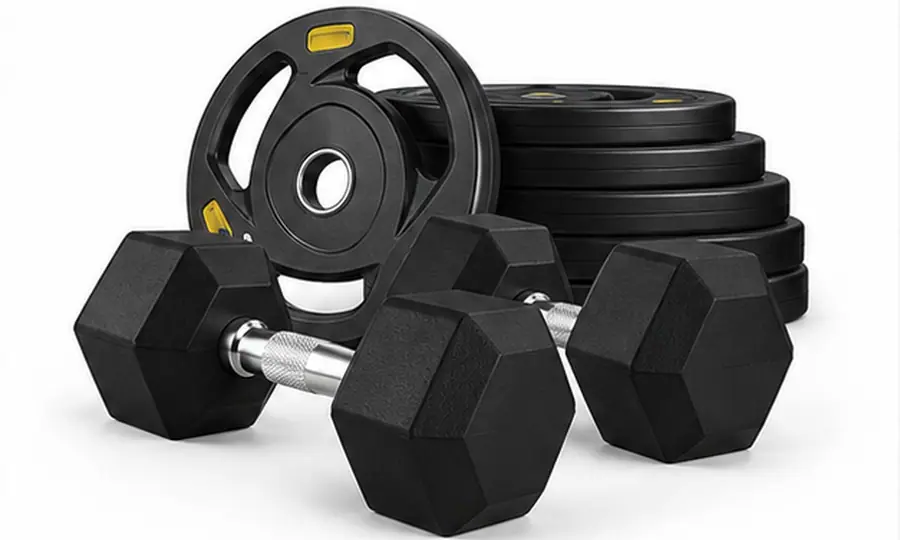
A reliable manufacturer should test more than appearance. For strength equipment, factory testing should include frame stability, movement smoothness, load-bearing points, upholstery quality, welding consistency, coating condition and packaging protection.
Before shipment, the buyer can request:
- Product photos before packing
- Close-up photos of welds, handles and pads
- Loading test videos for selected machines
- Packaging photos
- Carton or wooden case labels
- Packing list and spare parts list
This is especially useful for first orders, OEM orders or orders shipping to a new market. It helps both sides confirm that customer requirements are understood before the container is loaded.
Which Option Should You Choose?
Choose plate loaded machines if:
- Your gym targets experienced lifters or strength training users.
- You want a powerful visual strength zone.
- Users are comfortable handling plates.
- You have enough space for plate storage.
- You want flexible loading and a more direct training feel.
Choose selectorized machines if:
- Your gym serves beginners, hotels, corporate users or general fitness members.
- You need easy resistance adjustment.
- You want a clean, organized training floor.
- You prefer self-contained machines.
- You can manage cable and pulley maintenance.
Choose a mixed package if:
- You are building a full commercial gym.
- You want to serve both beginners and advanced users.
- You need better product variety for sales or member retention.
- You are a dealer building a balanced showroom or catalog.
CTA: Need Help Building a Strength Equipment Package?
If you are comparing plate loaded and selectorized machines for a commercial gym project, WDER can help review your target users, space, product list and customization requirements. Send your requirements and ask for a strength equipment catalog, model suggestions and quotation.
Suggested button: Get a Quote
FAQ
Are plate loaded machines better than selectorized machines?
Not always. Plate loaded machines are better for heavy strength training and experienced users, while selectorized machines are better for easy adjustment and beginner-friendly environments. A complete commercial gym often uses both.
Do plate loaded machines need more space?
Usually yes. The machine itself may not be much larger, but users need space to load plates and the gym needs plate storage near the machine.
Are selectorized machines easier to maintain?
They are easier for users to operate, but the internal cable, pulley and weight stack system needs regular inspection. Plate loaded machines may have fewer internal parts, but pads, pivots and bolts still need maintenance.
Which machines are better for a hotel gym?
Selectorized machines are usually more suitable for hotel gyms because they are easy to adjust and more beginner-friendly. A hotel gym with a serious strength area may add selected plate loaded machines.
What should I ask a supplier before ordering?
Ask for machine dimensions, loading capacity, frame material, tube size, warranty, spare parts policy, packaging method, assembly instructions, factory testing photos and shipment inspection photos.
Conclusion
Plate loaded and selectorized strength machines serve different commercial needs. Plate loaded equipment gives a stronger training feeling and is well suited for serious strength areas. Selectorized equipment is easier for beginners and works well in broad commercial fitness environments. For many projects, the best answer is a balanced combination.
The purchasing decision should be based on user profile, training goals, space, maintenance, shipping and after-sales support. A good supplier should help you compare options clearly, prepare product specifications, confirm packaging and support the installation process.
Final CTA
Planning a strength equipment order for a commercial gym, dealer showroom or OEM brand? Contact WDER Fitness Equipment to discuss product models, customization options, packing method and shipment requirements.
Suggested button: Send Your Requirements