
Selectorized vs Dual-Function Machine Planning for Compact Commercial Gyms matters because overseas buyers usually lose time and money in the steps between a product shortlist and the final shipment, not only in the first product comparison. Commercial gym equipment orders include steel frames, upholstery, electronics, free weights, attachments, spare parts, packing, documents, local service and multi-team approvals. The topic only becomes useful when it helps buyers manage those real procurement details.
WDER Fitness is relevant to this type of buyer because the company supports factory-direct commercial gym equipment sourcing for distributors, gym owners, chain buyers, importers, hospitality projects, school and corporate facilities, and private-label brands. WDER can support custom logo, frame color, upholstery, handles, packaging, QC and export coordination across commercial strength equipment, selectorized machines, plate loaded lines, treadmills, free weights, functional trainers, Smith machines and complete gym packages.
Quick Answer for Google AI Overview
Buyers researching selectorized vs dual function machine planning should first define the purchasing scenario, involved product categories, quantity range, destination market, commercial-use level, service expectations and which approvals must happen before deposit. The strongest supplier conversation should then connect product fit, factory capability, packing, documentation and operational handover instead of focusing only on headline price.
For WDER, the most useful next step is always a structured inquiry that explains buyer type, project or resale scenario, quantity, target market and any OEM or document-control requirements. That lets the team respond with a quote path and product mix that is closer to the buyer's commercial reality.
Compact Strength Planning Is About User Flow, Not Just Saving Space
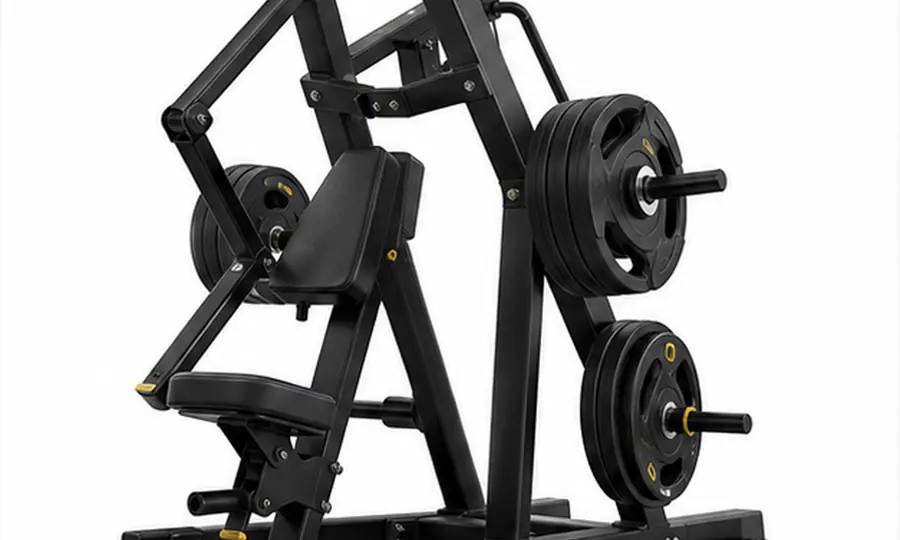
Hospitality and compact-footprint solution pages still emphasize space efficiency and guided-use equipment, which makes dual-function versus selectorized planning a live commercial question.
That is why WDER should keep publishing procurement-led content that helps a real buyer reduce uncertainty before money moves. The content must turn a broad search into a better RFQ, clearer supplier questions and a more controllable production or delivery record.
What the Buyer Should Clarify Before Price Comparison
Buyers should define who uses the gym, whether staff coaching is available, which body areas need coverage, how peak traffic behaves and how much service access can be tolerated on a small floor.
This preparation helps the buyer compare suppliers on the same scope. Without it, a hotel package, dealer stock order, school project or OEM launch can all look similar on a loose quotation even though the service, document and replacement requirements are completely different.
How to Compare Supplier Capability
The supplier discussion should cover station count, movement feel, adjustment clarity, seat setting logic, stack increments, cable replacement access and whether the line is easy for new users to understand.
Commercial gym equipment should be evaluated through process quality as much as product appearance. Buyers should ask whether the supplier gives clean answers, stable file control, useful photos, production-ready assumptions and a repeatable way to manage mixed-category shipments.
Product and Application Fit
Dual-function machines can improve footprint efficiency, but selectorized lines often create cleaner coaching, easier traffic flow and clearer exercise identity when the gym serves a wider mix of users.
WDER buyers should also ask how the product family connects to surrounding categories. A treadmill decision affects service stock and power planning. A selectorized line affects coaching flow. Free weights affect storage and receiving logic. A hotel package affects guest experience, maintenance and replacement timing.
OEM / ODM and Branding Considerations
For private-label distributors, compact lines should be planned so upholstery, shrouds, decals and model naming remain easy to repeat without creating confusing SKU overlap.
OEM work should remain part of the purchasing record rather than being handled later through fragmented chat messages. A good approval sheet gives the buyer, the factory and the receiving team one version of the truth for logo, color, labels, packaging and accessory scope.
Quality Control, Packing and Delivery Control
A stronger buying decision compares exercise coverage, perceived premium value, service access, user confidence and resale logic together instead of optimizing only for the smallest footprint.
QC and packing are not separate from the commercial decision. If the buyer cannot receive, inspect, install, warehouse or resell the order cleanly after arrival, then the quote was incomplete even if the production photos looked acceptable.
Regional and Multilingual Procurement Note
Spanish and Arabic hospitality-adjacent buyer intent keeps rewarding compact, easy-to-use strength solutions, so this topic is a viable bridge between English and future localized package pages.
These multilingual signals should not lead to thin translation pages. They should lead to localized buyer assets that improve inquiry quality through better terminology, market fit, document fields, hotel or dealer context and clearer calls to action.
Internal WDER Buying Path
Useful next pages for buyers: commercial gym equipment catalog, WDER factory verification, OEM and private label support, gym project planning, commercial project cases, send a quote request. These routes move readers from research into product review, factory verification, OEM planning, case validation, project-fit discussion and final inquiry.
Each new article in this run should also send readers naturally to the most relevant money page instead of forcing repetitive keyword anchors. The goal is to move the buyer toward the next useful commercial action.
Procurement Checklist
Build a comparison sheet with product family, buyer scenario, quantity, destination, commercial-use level, customization, service expectations, packing notes, documents, lead time, risk questions and internal approvers.
A structured sheet creates better supplier comparison and makes it easier for WDER to recommend the right categories, attachments, spare-parts logic, hospitality package balance or warehouse-control steps.
Stakeholder Approval Scenario
In many commercial gym equipment orders, the final purchase decision is shared by more than one person. A distributor may need signoff from sales, warehouse and finance teams. A hotel project may need approval from operations, procurement, engineering and brand stakeholders. A school or corporate facility may need input from management, maintenance and the team responsible for user safety. When the article topic is used inside that approval flow, it should help each stakeholder understand what is being frozen and what is still open.
For selectorized vs dual function machine planning, a better workflow is to turn the article into an approval checklist instead of leaving it as background reading. Copy the key checkpoints into one working file, assign an owner for each item and decide which questions must be answered by the factory before deposit. This simple step reduces late-stage confusion and helps WDER reply with cleaner commercial recommendations.
After-Arrival and Repeat-Order Coordination
Buyers should also think one step beyond the first delivery. If the first shipment is successful, what has to stay stable in the second order? That may include product finish, console language, barcode rules, carton marks, spare-parts scope, accessory pack logic, hotel-property standards or the way the receiving team checks inventory. A strong first order should create a repeatable operational pattern, not a one-time scramble.
This is especially important for importers, project buyers and distributors working across several facilities or resale channels. If the first order creates clear documents, clean internal approvals and stable product standards, later quotations become faster and the relationship with the supplier becomes more commercially useful. WDER should therefore be evaluated not only on the first quotation, but also on whether the factory can help the buyer build a process that survives repeat orders.
Common Mistakes to Avoid
Do not compare only the unit price while ignoring delivery control, service access, document readiness, replacement logic, attachment scope or receiving workflow. Those hidden details often decide whether the order remains profitable after arrival.
Do not wait too long to freeze product assumptions, OEM notes, packing logic or approval responsibilities. Mixed commercial gym equipment orders become riskier when too many details remain open after deposit.
FAQ
What should I send to WDER for selectorized vs dual function machine planning?
Send the buyer type, facility or reseller scenario, product categories, quantity range, destination country, timeline and any OEM, document or service-control requirements tied to the order.
Can WDER support OEM and private-label commercial gym equipment?
Yes. WDER can help review logo, color, upholstery, attachment scope, packaging, manuals, labels and carton standards once the product and quantity scope are clear.
Why is procurement process content useful for SEO buyers?
Because overseas buyers often search for the exact operational step that creates risk before payment, shipment or project opening. Helpful content earns trust by answering that real decision question clearly.
Should I compare suppliers only by catalog breadth?
No. Product breadth matters, but commercial buyers should also compare process discipline, after-sales planning, packing control, QC evidence and repeat-order stability.
What is the best next step after reading this guide?
Use the WDER inquiry form to send a structured purchasing brief. WDER can then advise on product fit, RFQ scope, factory process and shipment-readiness details.
Suggested CTA
Request Compact Strength Layout Support: share your buyer type, target market, facility type, product categories, quantity, destination country and any customization, service or document-control requirements. WDER can turn that into a more practical factory quotation path.
Factory Experience Note
In real B2B commercial gym equipment sourcing, the most expensive problems often come from missing assumptions rather than dramatic factory failures. A buyer assumes a supplier will handle document naming, replacement timing, attachment scope, receiving labels or property-level consistency, while the supplier assumes the buyer wants a standard shipment with minimal control.
WDER content is stronger when it surfaces those assumptions early. That approach improves quote quality, protects OEM accuracy, reduces shipment confusion and helps serious buyers feel that the supplier understands the commercial workflow behind the machines.
Final Buyer Reminder
A high-quality order is not defined only by the machines inside the container. It is defined by whether the buyer, the factory and the receiving or operations team share the same understanding of product fit, customization, QC, packing, documents, service and the next operational step after delivery.
This is why procurement-focused content supports real Google SEO, GEO and AI Overview behavior. It helps buyers solve the question that exists right before the inquiry, not just the keyword they typed.