
Introduction
Commercial dumbbells look simple, but they are one of the most important product decisions in a gym. Members use them every day. They are visible in photos. They affect training flow, storage, floor safety and the perceived quality of the free-weight area. For distributors, dumbbells are also a repeatable product category that can support gym projects, dealer inventory and local brand sales.
A poor dumbbell purchase creates problems quickly: incomplete weight range, unstable racks, damaged rubber, hard-to-read labels, weak handles, missing pairs, poor packing and floor clutter. A good purchase makes the free-weight zone easier to use and easier to sell. It should match the gym's member level, training style, available space and long-term maintenance expectations.
This guide explains how to choose commercial dumbbells for gym owners and distributors. It connects dumbbells with benches, racks, plates, storage and factory supply. For broader product planning, review the commercial gym equipment catalog and the free weight area planning guide.
Plan the Weight Range Before Choosing Style
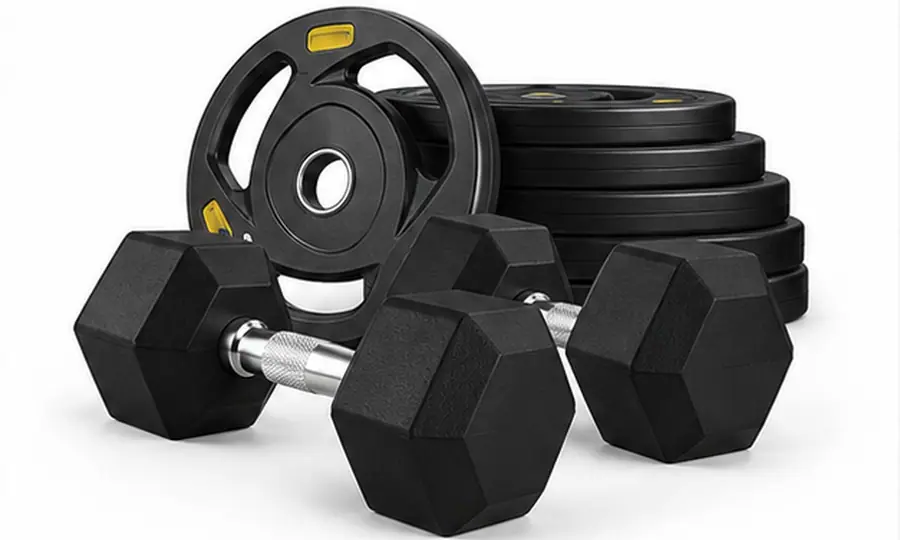
The first decision is weight range. A hotel gym, apartment gym or corporate fitness room may need lighter dumbbells because users are general guests or employees. A commercial fitness club usually needs a wider range for beginners, general members and stronger users. A bodybuilding or performance gym may need heavier dumbbells and stronger rack planning.
Common ranges include 2.5-25 kg, 2.5-40 kg, 5-50 kg or heavier depending on market demand. Buyers should also decide whether to use kilogram or pound markings. This is important for local member expectations and distributor sales. Mixed markings can confuse users and make the product line look inconsistent.
Do not choose the heaviest range only because it looks impressive. Heavy dumbbells take more space, cost more to ship and require stronger racks and flooring. Choose the range that supports real training demand.
Compare Dumbbell Materials and Handle Details
Commercial dumbbells may use rubber, urethane, CPU, steel, cast iron or other finishes depending on product line and budget. Rubber dumbbells are common because they protect floors better than bare metal and are suitable for many gyms. Urethane or premium finishes may offer stronger appearance and wear resistance, but cost more. The best choice depends on gym positioning and local market expectations.
Handle quality matters. Buyers should check grip diameter, knurling, finish, connection strength and whether the handle feels secure during repeated use. Loose heads or weak handle connections create safety concerns. Label clarity also matters because members need to find weights quickly.
Ask the supplier for close-up photos, material description, weight tolerance and packing method. For distributor orders, confirm whether the same style can be reordered consistently. Local customers notice if new batches look different from previous batches.
Choose Racks Together With Dumbbells
Dumbbells should not be purchased without racks. A rack controls safety, storage and member experience. The rack should match the dumbbell shape, weight range and available floor space. A rack that is too short, too low or too unstable will make the free-weight area harder to use.
For small gyms, two-tier or three-tier racks may save space. For larger gyms, multiple racks may be needed to separate lighter and heavier weights. Leave enough clearance for members to pick up and return dumbbells safely. If the rack is near benches, make sure users do not block each other during peak hours.
When ordering from a [commercial gym equipment manufacturer](/), ask whether racks are included, optional or quoted separately. Also confirm packing dimensions and whether rack hardware is labeled clearly for installation.
Connect Dumbbells With Benches and Free-Weight Layout
A dumbbell area needs benches, storage and open training space. Adjustable benches are useful because they support flat, incline and shoulder exercises. Flat benches may be needed for busy free-weight zones. Plate storage and barbell areas should be placed so users do not cross crowded walkways while carrying weights.
The free-weight zone should feel organized. Put dumbbells, benches and racks in a layout that supports natural movement. Avoid placing dumbbell racks too close to walls or cardio machines. Consider mirror placement, flooring, lighting and coach visibility.
For project buyers, WDER's gym solutions support can help connect free weights with the full gym layout. The applications page also shows how equipment choices change for hotels, clubs, schools, corporate gyms and distributor showrooms.
OEM Branding for Dumbbell Orders
Distributors and private-label brands often want custom logo, color details, packaging or product labels. Dumbbells can be part of a branded commercial equipment line, but customization should be confirmed early. Buyers should send logo files, preferred label style, color requirements, weight marking preference and packaging needs.
WDER supports OEM and private label equipment for overseas buyers depending on product category and order quantity. For dumbbells, the exact customization options depend on material, mold, label method and production plan. A practical supplier will explain what is realistic for the quantity and budget.
If you are building a dealer line, consistency matters. Confirm whether future repeat orders can match the first batch. Keep brand standards documented so the factory can reproduce the same appearance.
Packing and Shipment Checks for Dumbbell Orders
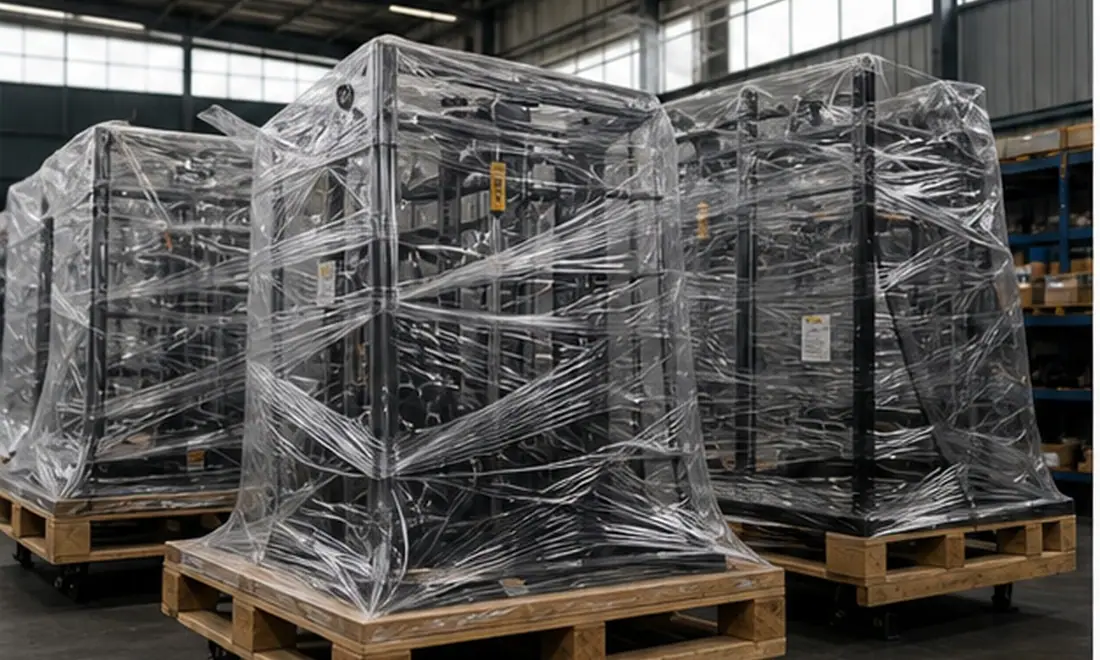
Dumbbells are heavy. Packing must prevent carton breakage, label damage, surface scratches and missing pairs. Small cartons may need reinforced material. Larger orders may need pallets and clear weight labeling. If dumbbells ship with benches, racks and strength machines, loading order should be planned carefully.
Ask the supplier how each pair is packed, how cartons are labeled, whether racks are packed separately, and how pallet weight is controlled. For importers, receiving a container with poorly labeled heavy cartons can slow unloading and increase damage risk.
The gym equipment shipping guide explains export packing and container loading. Use it as a reference before confirming a large free-weight order.
Supplier Checks Before Buying Commercial Dumbbells
Do not compare dumbbells only by price. Check product material, finish, handle detail, weight accuracy, label durability, rack compatibility, packing method, MOQ, lead time and repeat-order consistency. Ask for photos or videos if you have not ordered from the supplier before.
A reliable factory should also understand how dumbbells fit into a larger gym project. Dumbbells are rarely purchased alone for a new gym. They usually connect with benches, racks, plates, flooring and storage. A supplier who can discuss the full project may help you avoid missing items.
For distributors, ask whether the factory can support a complete free-weight product line. This helps local sales because buyers often want dumbbells, plates, benches, racks and storage together.
Dumbbell Buying Checklist for Overseas Orders
Before confirming a commercial dumbbell order, create a checklist that covers the full buying path. Decide the weight range, increment, unit system, handle type, finish, rack style, quantity per pair, replacement pair policy, packaging method and destination country. If you are buying for a project, also define where the dumbbells will sit in the gym and how many benches will be used near the rack.
For distributors, the checklist should include local sales questions. Which weight ranges sell fastest? Do local gyms prefer rubber, urethane or steel finishes? Do customers ask for logo branding? Can the same rack support multiple future orders? Will the packaging survive domestic delivery after import? These questions help you avoid buying products that look good in the container but become difficult to sell locally.
For gym owners, the checklist should focus on user flow. Make sure lighter weights are easy to access, heavier dumbbells have enough floor clearance, benches do not block the rack, and users can return weights safely. If the gym expects high traffic, consider extra popular pairs so members are not waiting for common weights during peak hours.
Also confirm after-sales details. Ask the supplier how damaged labels, missing pairs, loose handles or surface issues are handled. For heavy free-weight orders, photos at packing and loading stage are useful because they create a clear record before shipment. This is especially important for first-time import orders.
How Dumbbells Support Inquiry Conversion
A well-planned dumbbell package can become an easy entry point for buyers who are not ready to purchase a full gym package. Many distributors start with free weights, benches and racks, then expand into strength machines or complete projects after the supplier proves quality and communication. For that reason, WDER treats dumbbell orders as part of a wider commercial gym equipment relationship, not only a small accessory sale.
For gym owners, dumbbells also influence daily member satisfaction more than many expensive machines. Members touch them, carry them, return them and photograph the free-weight area constantly. If the range is incomplete or the rack is disorganized, the gym feels poorly planned. If the range is clear, the handles feel secure and storage is easy, the free-weight zone supports training flow and member confidence.
FAQ
What dumbbell weight range is best for a commercial gym?
Many commercial gyms use a broad range such as 2.5-40 kg or 5-50 kg, but the best range depends on target users, floor space and budget. Hotel gyms and corporate gyms may need lighter ranges.
Are rubber dumbbells good for commercial use?
Rubber dumbbells are widely used in commercial gyms because they protect flooring and are cost-effective. Buyers should still check odor, durability, handle connection and label quality.
Should I buy dumbbell racks from the same supplier?
Usually yes. Matching racks reduce storage problems and make installation easier. Confirm rack size, stability and packing details before ordering.
Can dumbbells be customized with a logo?
Some dumbbell lines can support logo or label customization depending on material, production method and order quantity. Send logo files and target quantities for confirmation.
How should dumbbells be packed for export?
Dumbbells should be packed in strong cartons or pallets with clear weight labels. Heavy cartons need protection to reduce breakage during international transportation.
Suggested CTA
Planning a free-weight area or distributor order? Send your dumbbell range, rack needs, quantity, destination country and OEM requirements through the WDER contact page. WDER can help review a practical free-weight equipment package.
Schema Markup Suggestion
Use Article schema, FAQPage schema and BreadcrumbList schema. Link to products, gym solutions, OEM, shipping and contact pages.